In eleven months’ time, the country will know the fate of former President Donald Trump’s last foray into the political world. The next presidential election will likely be his last ever, making the possibility of his failure all the more daunting. Whether he bows out now or stands to govern for another four years, the end of Trump’s direct leadership over the bulk of American conservatism is quickly approaching.
We are no longer in 2016. This movement is not at its beginning; rather, it has reached the close of its inaugural chapter. Consequently, conservatives should use the next year to begin charting the course our movement ought to take once no one man remains at the helm. Capable statesmen — some already in office, others yet to be elected — must be ready to take the movement’s intellectual reins and cement its agenda as cornerstones of American policy.
The new year will offer the America First movement the opportunity to lay down its roots and become the driving strain of conservatism within the GOP. Although this reality is clearly within reach, right-wing populists should be wary that this process has an ebb and flow. Lessons learned from earlier missteps by this movement and comparable paleoconservative movements from the recent past must inform our 2024 agenda should we wish to establish long-term hegemony over the party.
Trump’s own 2020 campaign, for example, moved away from his original brand in some ways that proved detrimental to its chances. His 2016 campaign made enemies of globalism and the corporate elite that consistently neglects the interests of blue collar Americans. Trump’s rhetoric during that cycle emphasized this working class agenda, and he made sure to always tie Hillary Clinton to the class of politicians that perpetuates the elite. He also vocally included members of the Republican party like George W. Bush in that group. By setting his sights widely and against figures on both sides of the aisle, Trump made the purpose of his candidacy — an uprising against the entire system — clear and defined the primary and general elections according to his own terms.
2020 presents a much different story. While Trump’s time as President never bridged the gap between himself and the old guard he sought to dismantle, it did force him to work much more closely with many of its remaining political actors. The results never caused his rhetoric to contradict his original denouncements of globalists, but it did steer it toward attacks against the socialist policies of the Democrats. The strategy of Trump’s 2020 campaign was largely governed by the compromises he made with what was left of the conservative establishment, and the resulting limitations on his movement shackled it to the GOP’s traditional disagreements with the Democratic party. The Donald Trump of 2020 became much less of an outsider than his 2016 self.
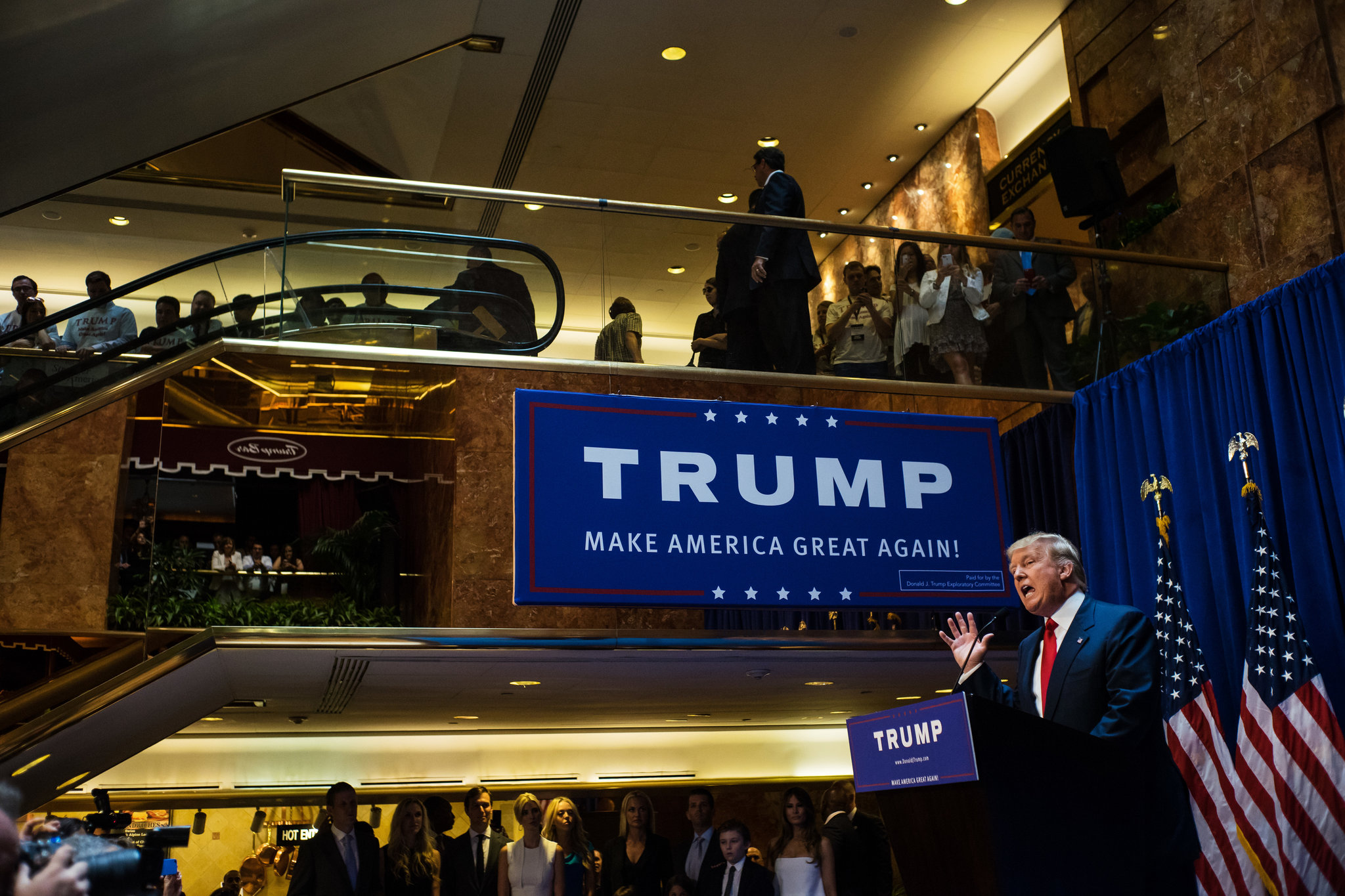
The former President’s subsequent ouster from office gave him and his confidants ample time to adjust their strategy in light of the lessons learned during his first administration. His 2024 announcement speech signaled a return to his 2016 approach: it focused heavily on reasserting American independence on the world stage, protecting our border, and revitalizing our economy. This time, the movement would seek to assert its greatest aims as the primary objectives of the Republican party overall, and not the other way around.
Trump’s highly-publicized indictment of and absence from the ongoing Republican primary debates have reinforced the public’s perception of him as an outsider. His massive lead over the other Republican candidates proves that he can still rule the party while maintaining that role. Alternative visions for conservatism, like those proposed by Nikki Haley or the other establishment candidates, will still exist, but Trump has now demonstrated their station as second-place to his own.
What remains to be seen is whether this purified style of America First conservatism will succeed in drawing enough of Trump’s original base out to offset his hardened progressive opposition. 2020 showed that his detractors will always prove to turn out, even if that means empowering generally disliked candidates like Joe Biden. Trump’s victory, then, will depend on the strength of his own loyalists, especially in key regions like the Rust Belt where he originally made his mark. The results of this election will reveal how much of that base still exists, and it will consequently inform whether a post-Trump populism will be electorally feasible in future cycles.
If the base does muster one last hurrah for Trump, that energy must be quickly redirected by similarly-aligned statesmen to do the same work at more local levels. Senator J.D. Vance’s recent populist victory in Ohio is but one example of how the national America First spirit can be channeled into building new electoral apparatuses. As old establishments decay and die, we must plant new ones to ensure our budding ideas don’t flounder.