Since the Early 20th century, Catholics have looked forward to the Feast of Christ the King taking place in either October or November, depending on whether they observe the old or new liturgical calendar. Catholics have used it as an opportunity to pray for their leaders and to ask God to raise up virtuous ones. With both the feast and a presidential election quickly approaching, we would do well to continue this practice of petitioning Our Lord on behalf of our leaders.
Pope Pius XI formally established the Solemnity of Christ the King in 1925. The feast recognizes Jesus Christ as the King of all mankind, and of all the universe. Pius XI placed the Solemnity on the last Sunday of October, which is the Sunday immediately preceding the Feast of All Saints. Pius saw it fitting that we celebrate the Man who is the triumph of all the saints before we celebrate the saints themselves.
During this time in Europe, all sorts of dangerous ideologies were rapidly growing. Socialism, Communism and secularist Nationalism threatened to take men’s eyes off the truth of the Christian faith and the authority of Christ. Pope Pius wished to restore all things in Christ, and so he penned the encyclical Quas Primas, establishing the solemnity, which is the highest level of feast in the Church. In 1969, Pope Paul VI moved the solemnity to take place on the final Sunday of the liturgical year. This placed it just before the season of Advent, when the faithful contemplate not only the first coming of our Lord in the Incarnation and his birth at Christmas, but also the second coming at the end of time of Christ as King and Judge.
We should focus on the original intentions of the feast’s establishment. As we cast our votes this November, we Americans would do well to recall that Christ is our King and that ultimately our earthly societies will fade away. This does not mean, however, that we should refrain from building or advancing a virtuous and moral civilization. Nor should we lose hope that we can cultivate good and moral leaders.
Historically, Christians have publically prayed that God would raise up and bless moral leaders. The Church has in its musical repertoire a chant, dating back to the early Middle Ages, called the Laudes Regiae (Latin for “Royal Praises”). This chant, in the form of a litany, invokes the Trinity and the saints to pray for all leaders in society, both in the Church and in the temporal government: Kings, magistrates, bishops, priests, etc. All this is done while acclaiming Christ as the true King of all.
Exaudi, Christe / Give ear, O Christ.
Magistratibus et omnibus concivibus nobiscum orantibus: cordis vera quies, votorum effectus / To the magistrates and all fellow citizens praying with us: let the effect of their devotions be true rest for the heart.
Auxilium christianorum. Tu illos adjuva / O Help of Christians. Grant them assistance.
Sancte Michael. Tu illos adjuva / Holy Michael. Grant them assistance.
Sancte Benedicte. Tu illos adjuva. / Holy Benedict. Grant them assistance.
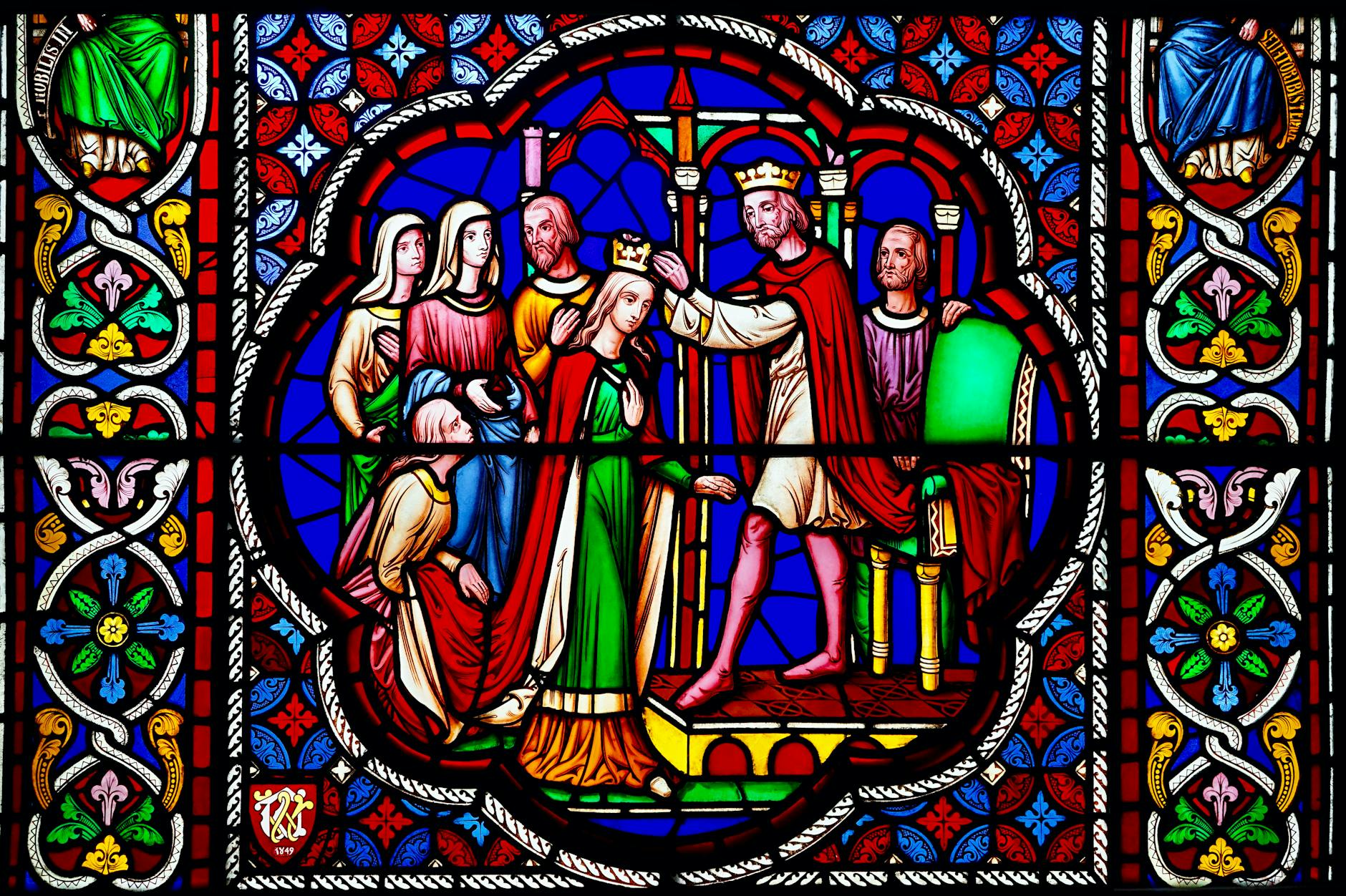
It is important to note that this chant really had its origins in being sung for temporal rulers as well as for Church authorities. People called the Laudes Regiae the “Carolingian acclamations.” The reason for this is that Christians chanted it during Charlemagne’s coronation in 800 A.D. as Emperor of the Romans. The faithful continued to chant it during major liturgical celebrations, such as Easter, where he was in attendance. The Church kept the practice with subsequent monarchs such as the Holy Roman Emperors. The Church also performed the chant during papal coronations throughout history and even as late in history as the inauguration masses of popes Benedict XVI and Francis. Notably, parishes often still sing the Laudes on the feast of Christ the King.
Using liturgy – which comes from the Greek word meaning “work of the people” – as a public display for the good of the entire society, including the government, was the norm for millennia. People understood that public displays of liturgy had a real influence on their civilization. Chants like the Laudes Regiae induced the faithful to pray for their leaders and acknowledge from Whom those leaders received their authority. Christians did not tuck liturgy away inside churches where the public could not see or be inspired by it.
On this coming feast of Christ the King, we Catholics must remember to pray for our leaders during the liturgy, whether we chant the Laudes Regiae or not. We have a severe lack of good leadership right now, but this should only spur us on to pray for them all the more fervently. We should always remember from Whom all earthly authority comes. This exhortation also applies to non-Catholics as well. Protestants, Orthodox, and Catholics alike ought to remember to pray for our spiritual and temporal leaders. We also ought pray for a return to a more unashamed display of liturgy within all of society. We should cultivate a mindset and a desire that liturgy should influence all levels of our common life.