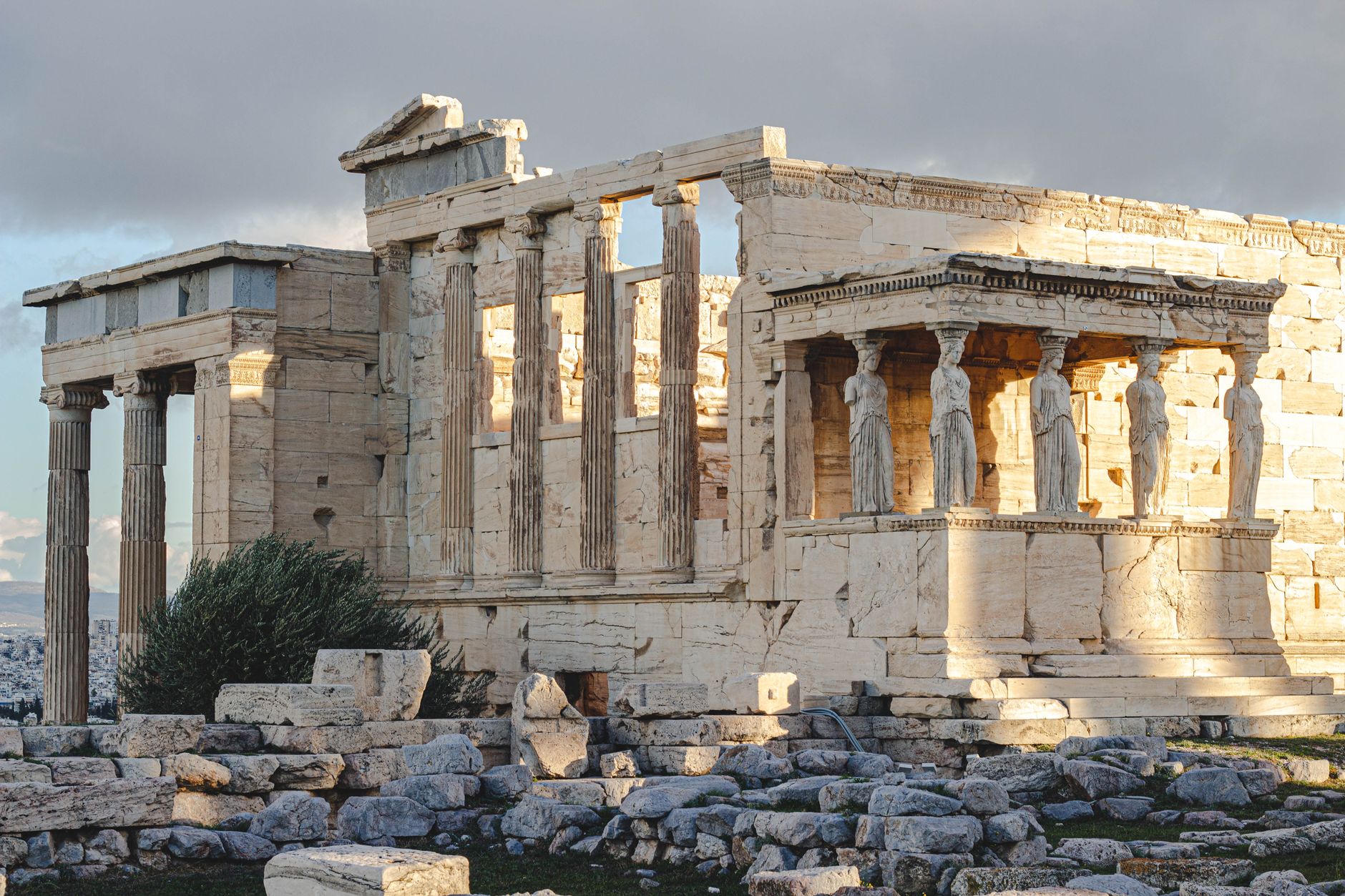
The Greek preoccupation with violence as entertainment reflects a cultural fascination with the intersection of human struggle, divine intervention, and the fragility of life.
From the blood-soaked battlefields of Homer’s Iliad to the dramatic spectacles of Euripides’ tragedies, Greek literature and art often depict violence — not merely as a destructive force — but as a means of exploring profound existential and moral questions. This preoccupation was not limited to literary forms; it permeated their civic life through events like the Olympic Games and the theater. One would involve physical contests often bordering on brutality and the other public performances of staged, visceral portrayals of suffering and vengeance. For the Greeks, violence served as a spectacle and didactic tool, forcing audiences to confront the harsh realities of fate, justice, and the human condition.
Underlying this fascination with entertainment is an enduring legacy in the Western imagination and tradition. A tradition that, I believe, Christians should forgo entirely.
In Gorgias, Plato introduces a metaphor that resonates with haunting relevance in our contemporary cultural milieu: the image of the leaky jar. In dialogue with the sophist Callicles, Socrates presents a vision of the human soul marked by insatiable desire — a vessel perpetually emptied, no matter how often it is refilled. This ancient portrayal of endless longing finds a striking parallel in modern America, where consumerism and entertainment have supplanted the ancient Greek pursuits of honor and pleasure — yet sustain the same fundamental drive: a relentless quest for satiation.
In ancient Greece, fulfillment was sought through the pursuit of arete (excellence) and kleos (glory). Figures like Achilles and Odysseus epitomized lives consumed by the need for recognition and accomplishment, yet their striving was tethered to communal values and divine favor. Though deeply personal, their efforts were also inherently cosmic. They sought to align their desires with the will of the gods. In modern American culture, this paradigm has shifted inward. The quest for fulfillment is now individualistic, centered on personal gratification rather than communal participation or transcendent purpose. The mechanisms of both dissatisfactions are uncannily similar.
The cornerstone of contemporary American culture — its unbridled consumerism — mirrors the Greek’s obsession with fleeting pleasure. Advertisements incessantly promise fulfillment through material acquisition, urging us to “upgrade,” “treat ourselves,” or “unlock” new levels of living. Video games promise the allure of dopamine without any of the drawbacks or necessity of delayed gratification. This relentless gamification cycle mirrors the Greek concept of hedone (pleasure), which Aristotle warned could devolve into destructive excess when unmoored from virtue. Without an anchor in a higher purpose, the pursuit of pleasure becomes a Sisyphean endeavor, echoing the futility of pouring water into Plato’s metaphorical leaky jar.
Entertainment serves as another emblem of the modern soul’s insatiable hunger. The omnipresence of streaming platforms, social media, and digital amusements offers an unending buffet of distractions. Much like the festivals and dramatic contests of ancient Greece, these pursuits often yield ephemeral satisfaction, quickly replaced by deeper cravings. The ancient agon (contest), which crowned victors in athletic or artistic feats, finds its modern corollary in the viral fame and influencer culture of today. Both seek to captivate the masses, yet both demand an endless cycle of new victors and fresh spectacles, trapping participants and observers alike in a perpetual state of longing.
Beneath this cultural restlessness lies a theological void. In ancient Greece, human striving was framed by a divine narrative. Rituals and sacrifices imbued even mundane pursuits with transcendent meaning, grounding temporal desires in the eternal. Modern America, however, has largely forsaken this connection, replacing divine understanding with secular ideals of self-fulfillment and progress. This shift is not without consequences and reveals itself as a spiritual hunger. It’s a hunger reflected in the contrast between the psalmist’s exultation, “My cup overflows” (Psalm 23:5), and the lament of the modern age: “My jar leaks.” The former speaks of divine sufficiency; the latter, of a human insufficiency untethered from God.
To navigate this cultural crisis, Christians must reclaim a vision of true fulfillment rooted in Christ’s promise of living water in John 4:14. Unlike the insatiable appetites of both Americana and ancient Greece, Christ offers satisfaction that transcends consumption and achievement, grounded instead in union with God. The Apostle Paul’s assertion in Philippians 4:11, “I have learned in whatever situation I am to be content,” serves as a counterpoint to the restless striving of both ancient and modern cultures. Paul’s contentment is not the result of a full jar but of trust in the Creator who designed it.
Like the Greeks, we pour our energies into fleeting pleasures and ephemeral glories, striving to fill the metaphorical leaky jar of the soul. In John Mark Comer’s words,
“Can you guess how much time the average American spends on social media each year? The number is 705 hours. TV…2,737.5 hours. Meaning, for just a fraction of the time we give to social media and television, we could all become avid readers to the nth degree.”
There is something better for us. True fulfillment, as both Plato and Scripture intimate, is not found in striving but in rest — a rest that includes not overbearing ourselves with so much to accomplish that keeping on quota is painful. The Sabbath exists in Jewish tradition for a reason. When we burden ourselves with endless tasks, convinced that our worth is measured by output, we step out of this divine rhythm. Productivity becomes toil when it is untethered from purpose, and ambition becomes bondage when it is not tempered by contentment. In God, pleasure is meaningful but not enslaving.
The parallels between ancient Greece and modern America remind us that the soul’s yearning for satisfaction is both universal and timeless. Yet, its ultimate resolution lies not in endless consumption but in spiritual transformation. As followers of Christ, we are called to offer a counter-narrative to the culture of insatiability, modeling lives marked by gratitude, selflessness, and trust in God.
In doing so, we bear witness to the hope found in God, the only one who can mend the leaky jar and offer true, lasting satisfaction to the thirsty soul.