I think we will all always remember where we were when Charlie Kirk died.
Eight months ago today, I heard the news over the radio while I was baking a pile of muffins for a church event. It launched me into a trance. I finished baking, cleaned the entire kitchen, and took the muffins out to the porch to cool.
In that span of time, the announcement that Charlie was shot was amended in an announcement by President Trump that he was murdered. I looked over my freshly cleaned kitchen, washed my hands one final time, then went into my bedroom and laid on the floor.
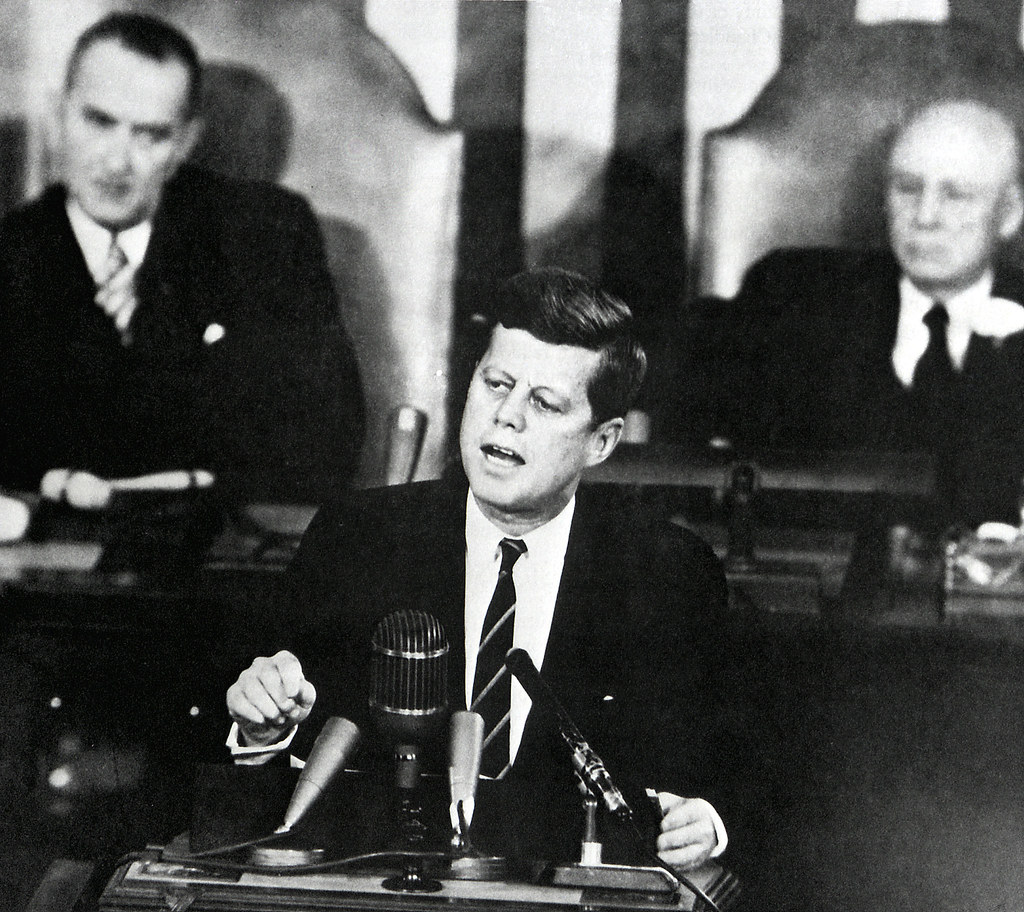
In times of sorrow, I have always found comfort in music, but today the only song I could think of was “Murder Most Foul.” The Bob Dylan track was released in 2020 and is a 20-minute-long poetic reflection on the Kennedy assassination. Dylan was a young man in November of 1963, and it always struck me as interesting that decades later, it still haunted him enough to turn it into the modern equivalent of a Homeric epic. Dylan sings about that assassination with a mixture of despair and awe. He recognizes that it was a moment that shook the core of Western civilization.
In many ways, Dylan was correct. The 1960s are often considered the moment at which American culture fundamentally changed. It was the decade of Beatlemania, the decade of Woodstock, and the decade of student-led protests against the Vietnam War. It was the decade when film studios ended their traditional contract system, giving movies a new creative edge. It was the decade that introduced feminism into the mainstream. It was the decade of civil rights, women’s rights, and sexual liberation. It was the decade of Andy Warhol and Kurt Vonnegut.
It’s hard to understand modern America without the context of the 1960s, which launched the country down a new cultural path that upended everything that had come before it. Bob Dylan was, himself, extremely representative of this change. Over the course of the 60s, he shifted his music style from stripped-down folk tunes to punchy rock and roll. When he debuted his new electric guitar at the Newport Folk Festival, he was booed off the stage for having changed. Every aspect of American culture is a descendant of the 1960s.
Yet the thing that defined the 1960s, the thing that changed the hearts and minds of everyone from Bob Dylan to your grandma, was John F. Kennedy’s assassination.
On September 10, I listened to “Murder Most Foul” about a dozen times, showered, and wandered around my house for awhile until I fell asleep. In the coming days, friends and family reached out to me to talk about what had happened to Charlie, but I didn’t know what to say to them. The next day, I went to my church early to drop off the muffins I had made. Having a spare moment, I went into the quiet sanctuary, empty of any humans but filled with the Holy Spirit. I kneeled at the altar and cried, until it felt like my chest had been torn in half.
We can never know the significance of a moment until it is passed. In these last months, we have marched forward into a new series of wars, elections, and political discourse. Unfortunately, we have had to march forward without Charlie, and it’s a tragic truth that can be felt. Like Kennedy’s death haunted those who witnessed it, Charlie’s death haunts us. We, too, are left in a state of despair and awe.
The death of Charlie Kirk is the defining moment for the world we now live in. It transformed American political discourse from something we debate into something that people are murdered over. It radicalized a large swath of people, particularly young people, showing them the danger of speaking about truth and faith. It will likely affect our culture and our conversations for decades to come. In the wake of Charlie’s death, people have returned to church. They’ve started and joined Turning Point USA clubs across the nation. They’re learning as much as possible so that they can be knowledgeable and outspoken, just like Charlie was.
I don’t know where you were when Charlie was assassinated just eight months ago, but I don’t think you’ll ever forget it. That’s okay.
Let it be a reminder that evil exists and that we live in a sinful, fallen world. Let the despair and awe fuel you to something greater. Let Charlie’s legacy spur you to love what he so often defended: the good, true, and beautiful.