When I worked as a tour guide at Harvard College, I would start my tours by saying, “Unlike our rivals, like Yale, we never fake how old our buildings are. All the buildings you will see today were built in a contemporary style. This means that if you see a building that looks old – I would point to Dudley House – it is old. And if you see a building that looks ugly – I would point to Smith Center – it’s probably new.”
There was always a chuckle from the group, giving me firsthand experience of scores of people’s reaction and disdain for brutalist architecture. I would continue, “In fact, some of the buildings in this brutalist style, like the 70’s Leverett and Mather towers down by the river, are so ugly that they are often airbrushed out of the postcards that you might buy here today!” Again more laughs and grins, and more tips at the end of the tour.
Some choices are more or less acceptable when a private university is deciding on the style of its own buildings. The calculus changes, however, when these choices are not for university lecture halls but for public federal and state government buildings because our civic structures should inspire awe and reverence, not mockery.
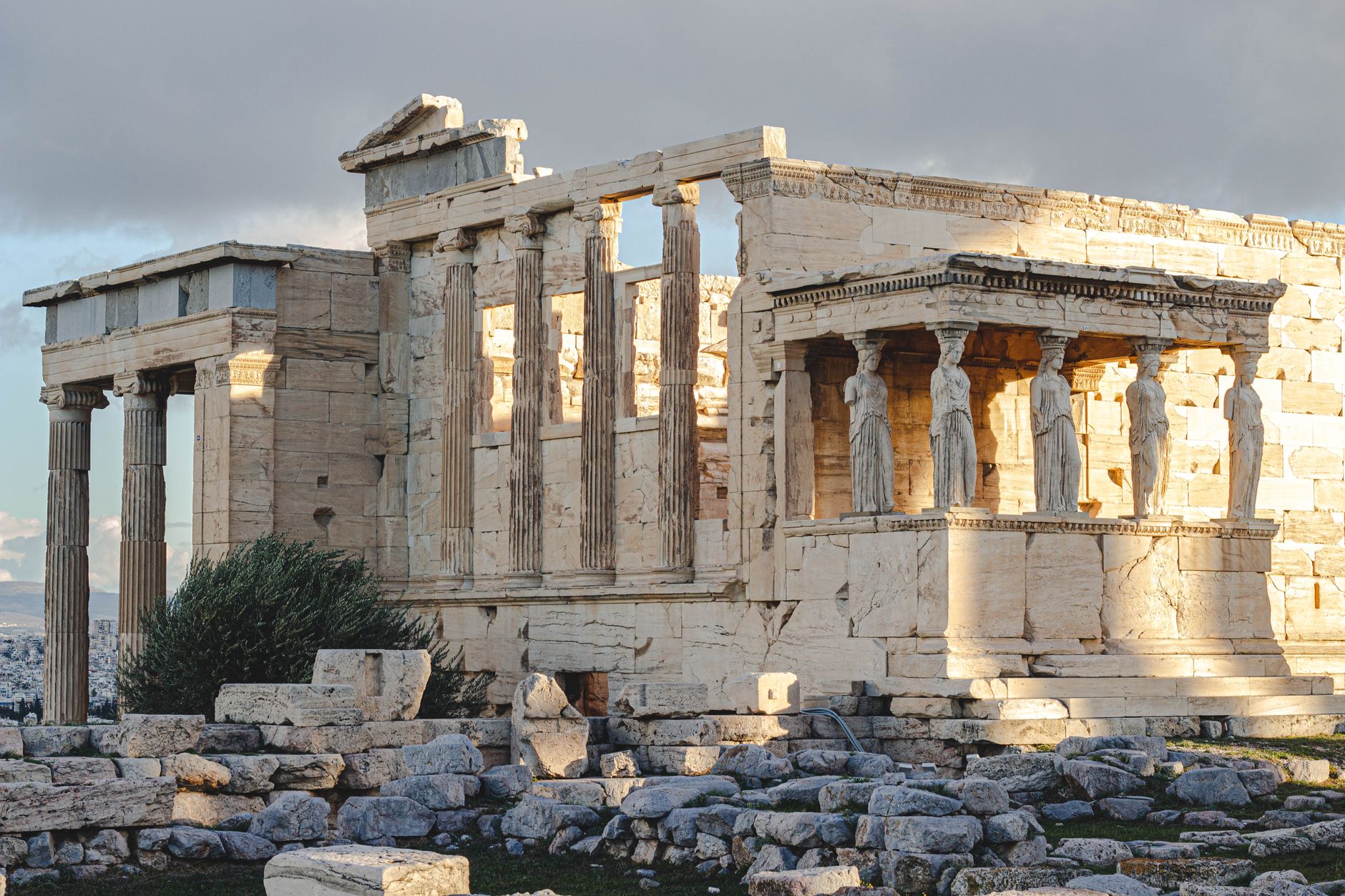
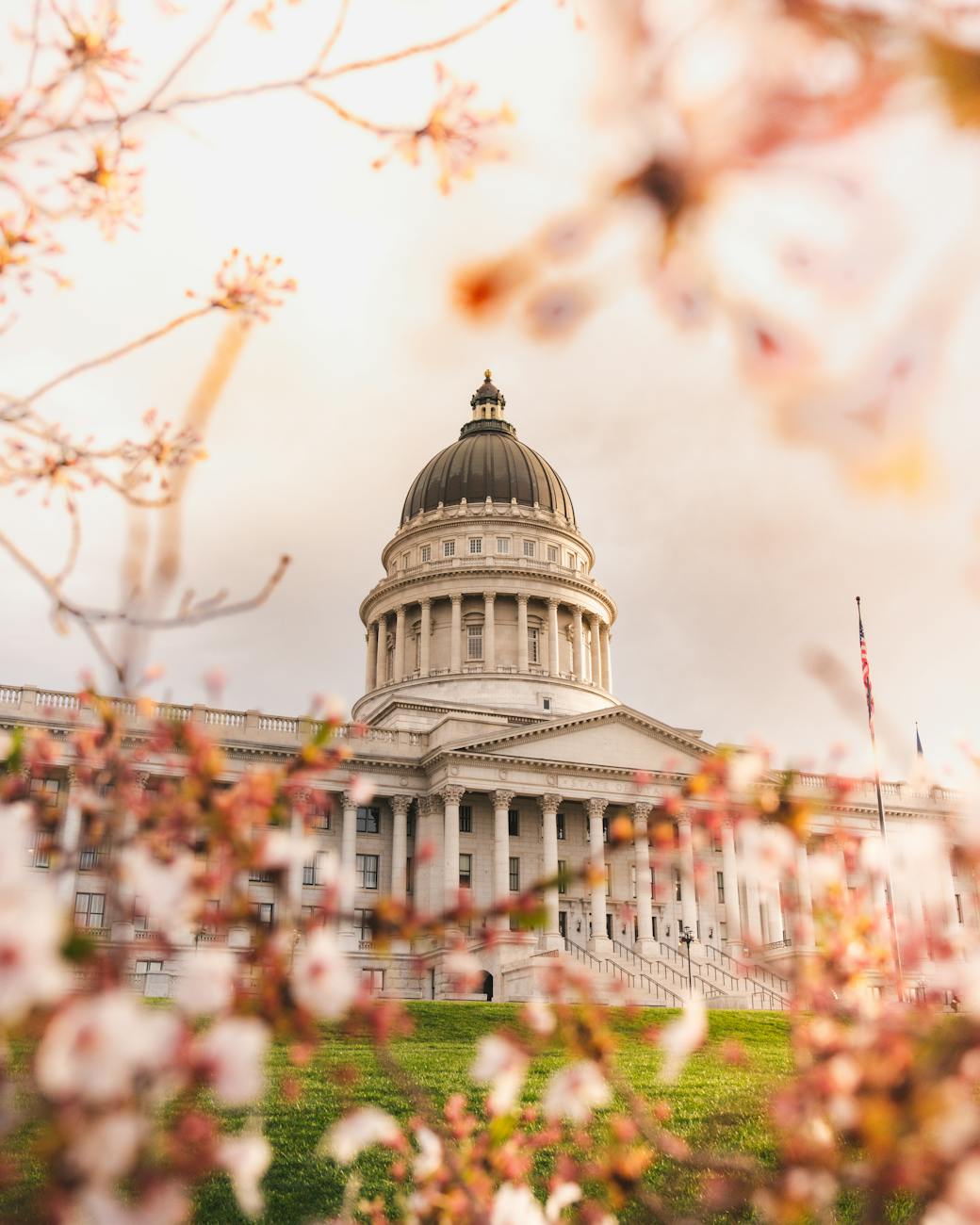
Classical architecture was the dominant federal style for 150 years in the United States, recognized by a Treasury Department statement in 1901 noting that “no form of architecture is so pleasing to the great mass of mankind as the classic.”
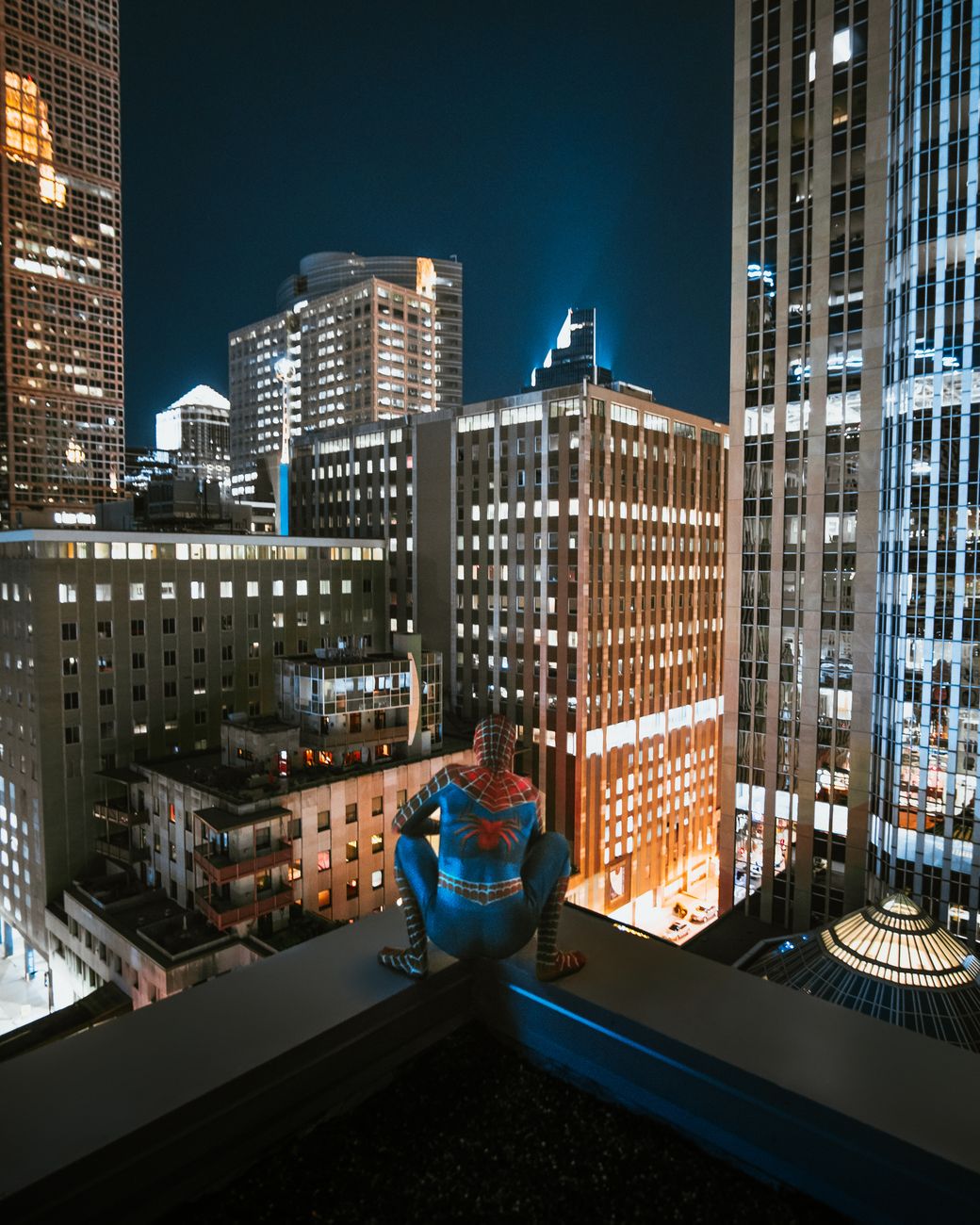
After WWII, influenced by interwar European ideologies and art movements such as Dada, Surrealism, and Constructivism, Classical architecture was abandoned in favor of a modernist emphasis on mass production and machine aesthetics.
In 1962, Daniel Moynihan’s “Guiding Principles for Federal Architecture,” a one-page memo buried inside a report on federal office space to President Kennedy, shifted authority to private-sector architects, leading to a decline in traditional designs and this rise of soulless modernist federal buildings. Rejecting an “official style” dismantled the cohesive visual language of Classical architecture, which conveyed dignity, stability, and permanence.
Moynihan believed neoclassicism had grown stale and uninspired. This resulted in stylistic chaos and buildings that are unrecognizable as civic structures. One should recognize a statehouse or courthouse just by viewing it from the exterior.
Moynihan’s memo stated:
“Where appropriate, fine art should be incorporated in the designs with emphasis on the work of living American artists … The development of an official style must be avoided. Design must flow from the architectural profession to the Government and not vice versa.”
Emphasizing living artists inherently prioritizes novelty over timelessness, and by ceding control to private architects, public architecture became detached from the preferences of the people it serves.
A 2020 Harris Poll survey on behalf of the National Civic Art Society, revealed that 72% of Americans prefer classical and traditional architecture for federal buildings, regardless of political affiliation. This preference spans across different age groups, with 68% of those aged 18-34 and 77% of those aged 65 or older favoring traditional styles. Interestingly, 77% of women supported traditional styles compared to only 67% of men.
The appeal of traditional architecture isn’t limited to any particular racial or ethnic group either. Majorities of black (62%), Hispanic (65%), and white (75%) Americans prefer traditional styles. This preference for traditional architecture is found across the Northeast (73%), South (73%), Midwest (74%), and West (69%). Moreover, whether a respondent earned under $50,000 or over $100,000 per year, or whether the respondent has a high school diploma or a bachelor’s degree or beyond, traditional architecture remains the preferred choice. Although the survey’s online format and sponsorship may introduce bias (such as respondents who are more engaged with architecture), its rigorous methodology — including controlled image comparisons, randomization, and a large, weighted sample — strengthens its validity.
Thus, despite this clear public preference, since 1992, 92% of new federal government buildings have been designed in modern styles, with only six of the 78 (8%) adopting classical or traditional designs. This disconnect raises serious concerns about why the architectural establishment continues to produce designs at odds with public taste.
While some say beauty is “in the eye of the beholder,” there is also an objective standard of beauty which all designs should strive to meet. Beautiful structures honor and glorify God, the ultimate Creator of beauty. Cities devoid of beauty contribute to a godless society.
Who decides what constitutes “beautiful” architecture for public buildings?
While polls show a clear public preference for classical styles, decisions about government architecture are often made by committees of experts and officials who have different aesthetic values and goals. Many in this elite class harbor disdain for Western architecture and civilization. Yet beautiful public buildings instill pride, connect citizens to their history, and foster continuity and national identity.
America’s Founding Fathers, including George Washington and Thomas Jefferson, chose classical designs for our nation’s capital and government buildings to embody the ideals of Republican Rome and Democratic Athens.
Rare examples like the Tuscaloosa Federal Building and Courthouse (2011) stand in stark contrast to modern designs such as the San Francisco Federal Building (2007) and the Salt Lake City Federal Courthouse (2014), which fail to resonate with the public. This tension touches on deeper issues of elite control, governmental influence in shaping our built environment, and the alignment of policy with the preferences and values of the populus.
A poll comparing D.C.’s Hubert H. Humphrey Building and the National Archives Building, where 83% favored the classical design of the latter, underscore a public preference for Greco-Roman architecture. President Trump’s reinstatement of an executive order to prioritize beauty in federal buildings has reignited this debate.
While subjective tastes vary and public preference is not a perfect gauge for defining beauty, humans innately recognize and appreciate objective beauty rooted in proportion, harmony, color, and other aesthetic principles. It is time to prioritize designs that reflect objective beauty and the clear preferences of the American public, ensuring that civic buildings inspire and uplift rather than demoralize and alienate.