Suave. Debonair. Dapper.
While the thieves involved in the recent Louvre heist stole priceless jewelry, a mysterious young man at the crime scene stole the hearts of those on the internet. Within 24 hours, fans hailed the unknown figure dawning a three-piece suit as a premier French detective, lauding the gentleman’s old-fashioned style and prior accomplishments. However, the well-dressed man was no sleuth. He was a 15-year-old boy attempting to visit the museum with his mother.
While the young Frenchman may not be investigating the robbery, his outfit choice points to a much bigger problem in the West: the loss of culture through the degradation of clothing.
The West is plagued with a myriad of issues, but the return of traditional attire to the public square may just be the small step we need to revitalize our culture.
The reintroduction of classic clothing will help define societal identity, enlarge the souls of our fellow citizens, recapture the diversity between the sexes, and restore beauty in the public square.
Attire has been, is, and will always be an essential aspect of national identity and culture. Togas defined the people of ancient Greece and Rome. The Scots are still recognized by their kilts, the Japanese by their kimonos, and Arabs by their turbans. The different traditional garbs worn by peoples contribute to forming a beautiful and diverse tapestry of cultures.
Clothing also helps form the identity of the individuals within social hierarchies. Kings wore robes and crowns, while slaves wore rags and shackles. The shining armor of a knight communicated his status as an elite in feudal Europe. A monk’s cowl expressed his life of service to God. Similarly, the various headdresses of Native American chiefs and shamans revealed the individual’s level of importance.
The Louvre story, recounted above, proves that even today clothing partially speaks to the identity and occupation of men. Those in suits and ties are perceived to belong in positions of importance and power, such as business, or politics. Delivery drivers, waiters, and cashiers are, likewise, known by their dress, just as athletes are identified by their uniforms. Additionally, some churches have maintained the use of clerical vestments throughout the ages to distinguish the shepherds from the flock.
It is indisputable that clothing contributes to indicating and forming the identities of individuals and societies. Yet, while clothing has retained its importance, it has lost its beauty in the modern age.
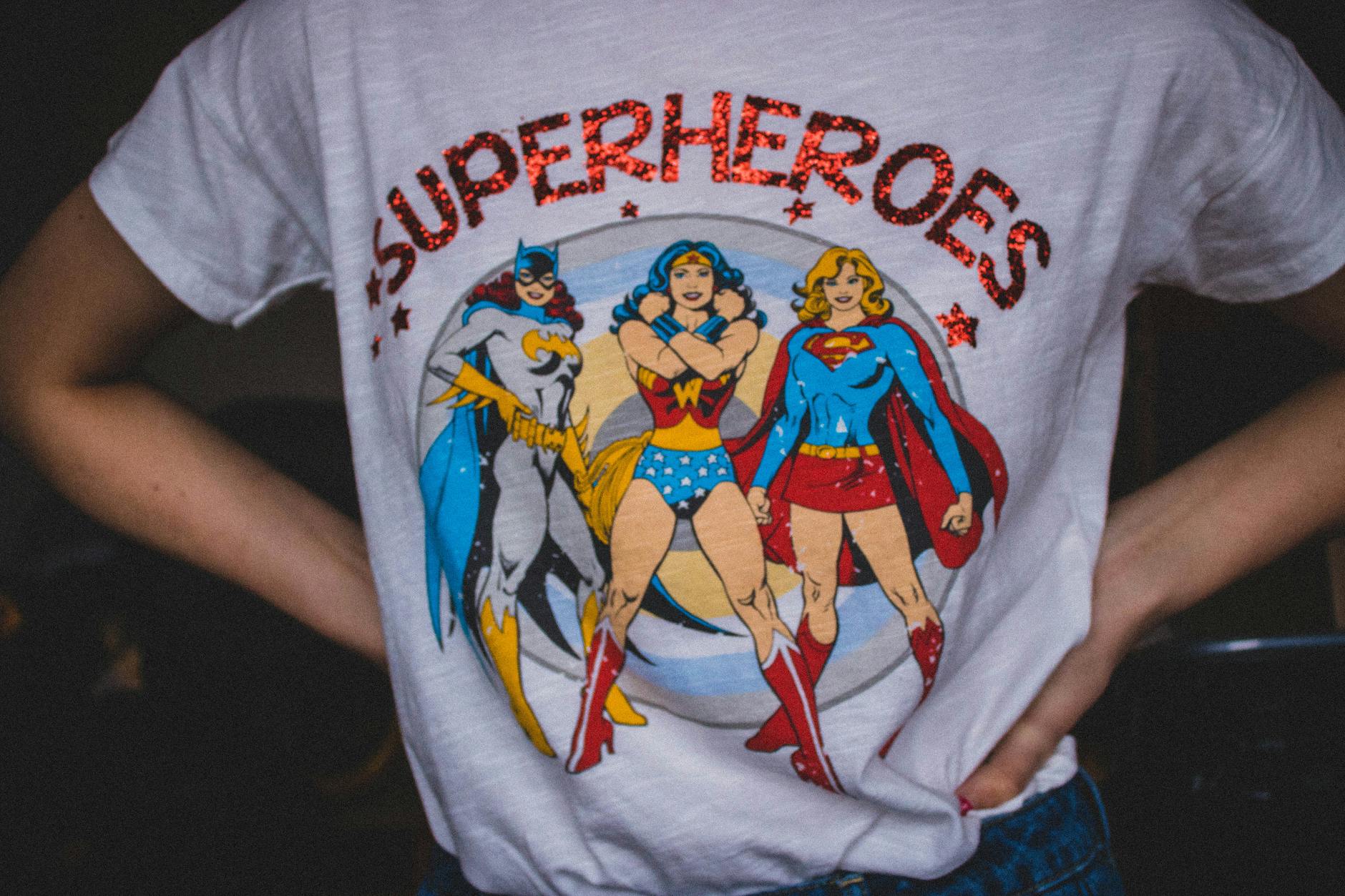
Branded t-shirts and baggy sweatpants dominate the landscape, and they are not just the lazy choice. They’re expensive and considered fashionable. People pay companies to be walking advertisements, as they wear minimalist attire like the ancient helots. It’s no surprise that men and women alike are losing their sense of self worth. Americans are being degraded by the clothing they wear.
This American “fashion,” characterized by simplicity and ease, has spread across the world. In contrast to the wide range of attire sported by thousands of peoples and cultures over the ages, today’s clothing flattens cultures and brings sterile homogeneity. One may object that traditional clothes are less comfortable, harder to maintain, and more expensive. So why should they be worn?
First, traditional clothing gives people a nobler view of themselves. When a man puts on a tailored suit or a woman dons an elegant dress, the individual’s conception of themselves changes for the better. As studies show, human psychology is positively affected when people wear nice clothing.
Second, traditional clothing accentuates the glories and differences between the sexes. The suit and dress exalt both men and women by highlighting the masculine and feminine forms. Athletic hoodies, t-shirts, shorts, and sweatpants, on the other hand, which dominate the American fashion scene are amorphous, and therefore androgynous, negatively affecting the identity of shoppers.
Third, traditional attire must return to the public square because it displays beauty. As the ancients told us long ago, men are drawn to beauty. Even more importantly, beauty begets beauty. When human attire is ordered and beautiful, man made environments tend to become so as well.
Most importantly, when one wears proper, traditional clothing, one loves God and one’s neighbor by respecting the Image of God in oneself and displaying beauty for others to appreciate.
This is not to say we can never wear jeans or that it is morally wrong to wear a hoodie. I am also not suggesting that the West will be saved overnight by this switch. Rather, Western individuals and societies whose identities are in turmoil will benefit from returning to a classical style which belongs to them. While this level of dress requires patience and exertion, it will positively impact individuals and beautify communities.
It is no surprise that the well-dressed young man was well-liked. But, if he had been wearing a sweatshirt and joggers, would the internet have elicited the same reaction? No, for the clothing of modernity is ugly.
Outfits are statements, and those noble-hearted individuals, like the young Frenchman, interested in glorifying the Lord Jesus Christ and restoring Western greatness, should make their views known by wearing traditional attire.