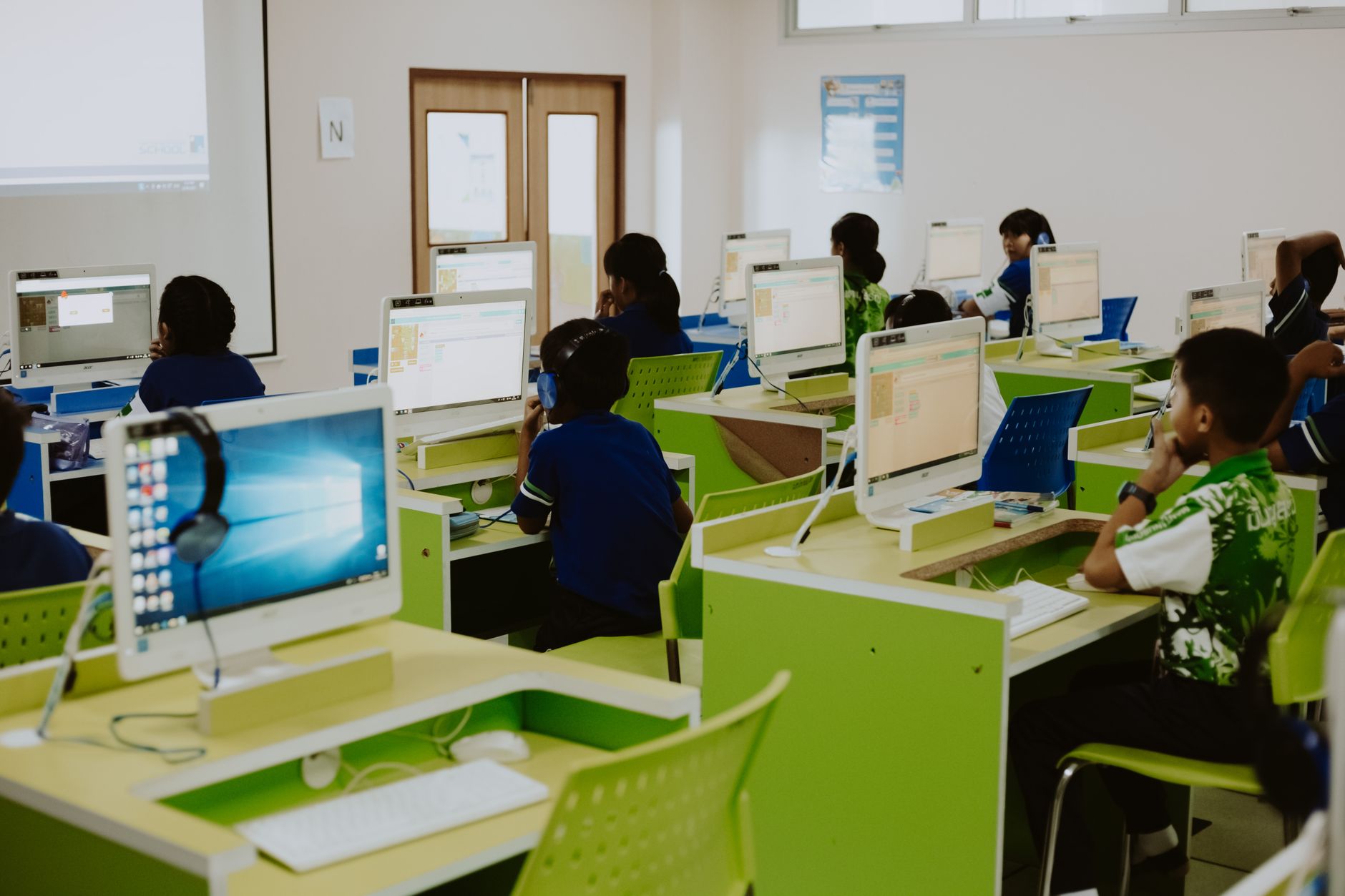
A 2024 graduate of Hartford Public High School is suing her alma mater for allowing her to graduate … illiterate and with honors. Now, as a part-time freshman at the University of Connecticut, Aleysha Ortiz relies on speech-to-text to get through college essays. Ortiz was not a degenerate truant. On the contrary, she was quick to ask for help and take advantage of the resources available to her.
Her story is one of persistent neglect, as she was ushered onward and upward by educators who failed to notice or care about her deficiencies. This is one sensationalized example of the failings of American public schools.
It is not, however, unrepresentative of the general decay of public schools. State-level educational failure on a mass scale is normalized and accepted, while alternative educational methods are stigmatized. The most recent assessments of 12th-grade math proficiency among public-schooled students show stagnation at 24 percent. Reading proficiency has fallen from 40 percent in 1992 to 37 percent in 2019.
Private alternatives promise better opportunities for children, but high costs leave parents feeling locked out. If only there were a cost-free education alternative – accessible to all families – capable of producing better outcomes for students. This alternative exists, though many Americans laugh at it.
Homeschooling consistently delivers the best results in terms of academic performance, lifetime success, and socialization.
Yes, you read that correctly. Homeschoolers perform better on social metrics than their public- and private-schooled peers.
Why do homeschoolers succeed?
The content matters. Homeschooling often embraces classical education with its emphasis on Great Books, dialectical reasoning, Western culture, and virtuous citizenship. The Association of Classical Christian Schools (which includes many homeschool supplementary programs) documents its students’ comparative success in academics, cultural engagement, and positive outlooks on life. The American public school system has decisively moved away from Classical themes with the abandonment of Latin and the study of ancient texts, the phasing out of Socratic seminars, and the rampant disrespect of Western cultural history.
While these content differences may account for many qualitative differences, they do not adequately explain homeschoolers’ consistent outperformance of traditionally private-schooled peers.
Homeschooled students in national achievement studies typically score around the 70th–80th percentile, substantially above national averages for public- and private-schooled students. A meta-analysis of studies found that homeschoolers outperformed both categories of peers in academic achievement, social and emotional development, and success in adulthood.
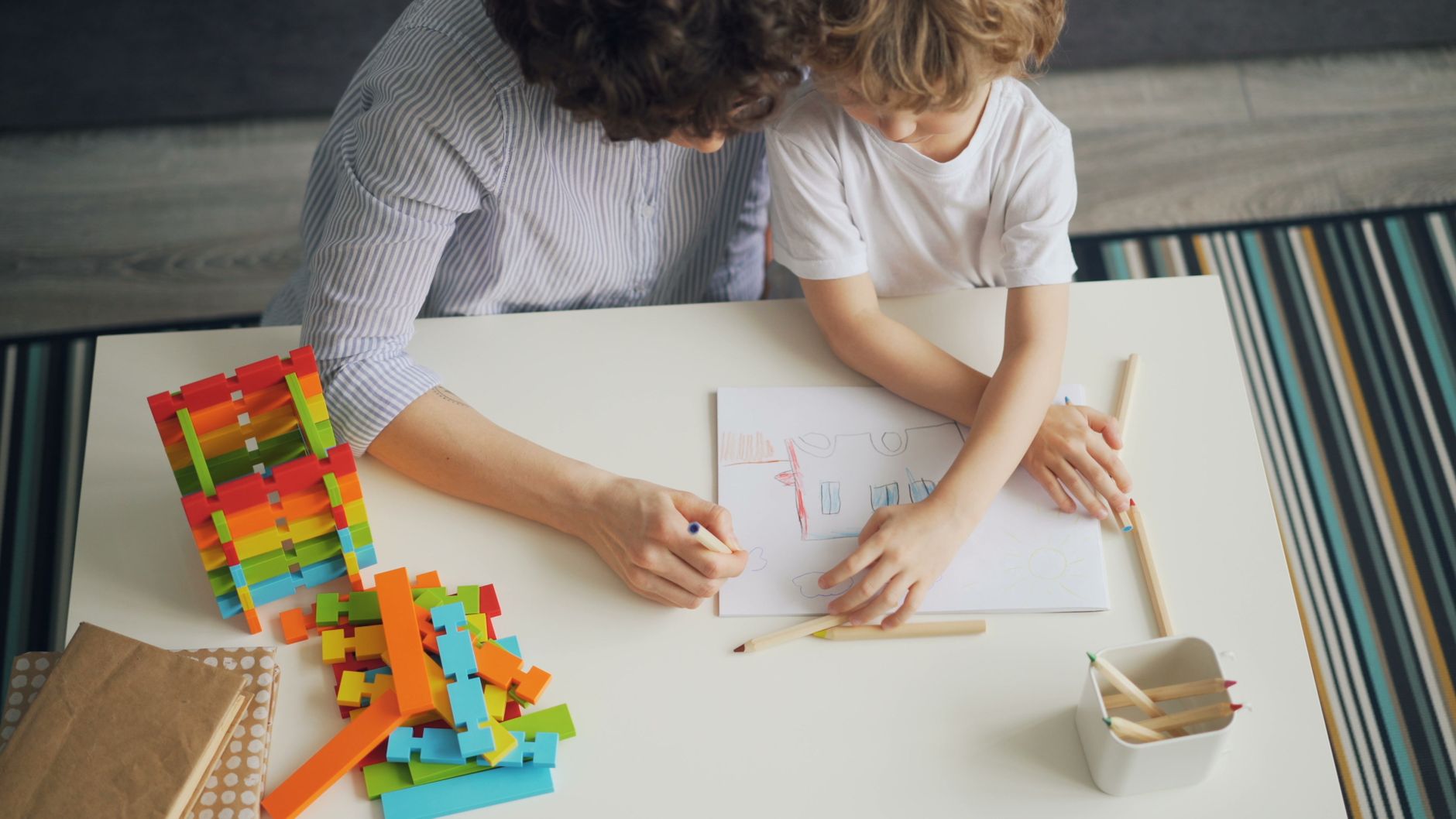
The not-so-surprising takeaway is that children, especially young children, just might benefit from spending most of their time with their mothers.
Consider the arbitrariness of the typical school schedule. Children aged 5+ are expected to report for duty at 8:00 am and cope with their natural attachment anxiety for an 8-hour shift with a strange adult. This is not a custom dreamt up in the child’s best interest – but in the interest of the working parents.
Children of all ages being occupied by an institution for 40 hours a week was normalized by the Industrial Revolution, which called both mothers and fathers away from the home. The organizing principle of the public school schedule is not pedagogy but industry.
Is it any surprise that children separated from their mothers for the majority of their waking hours experience more behavioral trouble, difficulty absorbing information, and social and emotional stress?
Hesitance to take homeschooling seriously on the grounds of socialization concerns is understandable but misguided. These concerns are driven primarily by stereotypes that do not square with the actual data measuring social skills and satisfaction.
An anecdotal run-in with an awkward homeschooler may be explained by the increased likelihood that a parent will choose homeschooling for children already identified as having special needs. It is also true that where homeschooling is unpopular, its only representatives may be idiosyncratic parents motivated more by anti-establishment sentiments than pedagogy or traditionalism.
Is it harder to socialize a child outside of an institutional school? Yes and no.
It certainly takes more effort to integrate them into the community through neighborhood play, church attendance, and community extracurriculars. But these community efforts used to be the backbone of civilization. By ceding total life control to schools, many parents have failed to participate in the social fabric and have actually stunted their children, who often leave school with no real community-building skills.
In a world where the majority of Gen Zers report anxiety over making a phone call, it is time to reconsider what mechanisms work to produce socially competent adults.
Stigmatizing homeschooling is out.
Stigmatizing indiscriminate assimilation to the mainstream is in.
Many parents cite a feeling of inadequacy when it comes to the prospect of educating their own children. This inadequacy has been taught, and it is an illusion. The public school system has demonstrated its inadequacy time and time again. Parents are natural teachers, best suited to address their own children’s needs; motivated by a love for them that third parties can never imitate.
It’s time to think less about doing what is normal for our children and to think more about doing what is best.