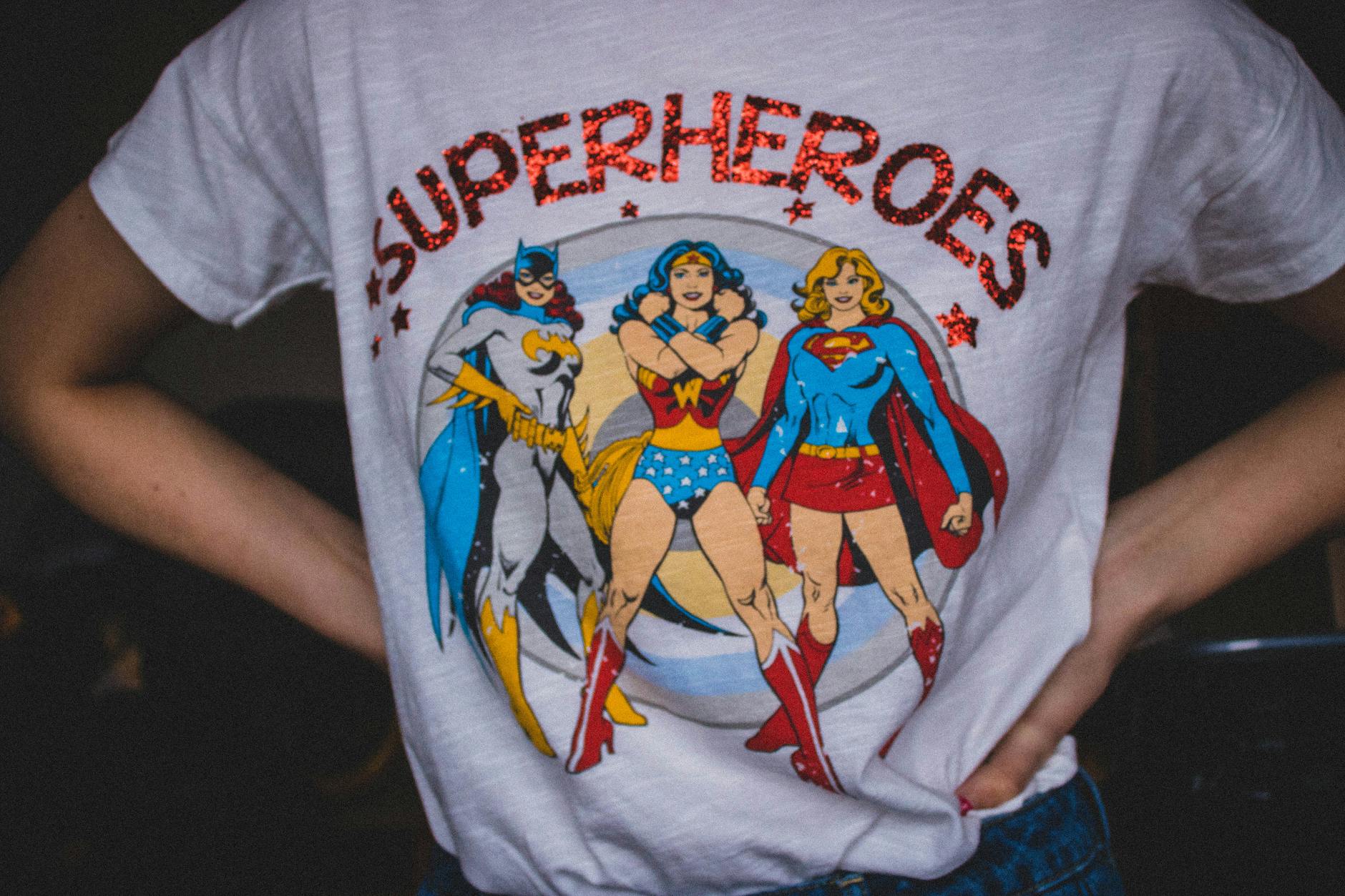
James Gunn released the first trailer for his latest DC film, Supergirl. The sequence opens with Supergirl’s dog, Krypto, wandering around her trash-cluttered apartment until he relieves himself on a newspaper featuring a photo of Superman. Throughout the trailer, Supergirl is depicted with messy hair and an apathetic attitude; she drinks, rolls her eyes, and has a gripe against “the gods.” Supergirl’s movie poster is equally as trite, as the sloppy heroine floats alongside the tag line “Truth. Justice. Whatever.”
Hollywood can’t help but create female characters with ugly personalities. The film’s lead, Milly Alcock, is a beautiful, 25-year-old woman with enough talent to earn a Critic’s Choice Award nomination several years ago. This beauty and talent has been diminished in the studio’s efforts to create another cynical superhero.
When the superhero movie boom began in 2008 with Marvel’s Iron Man, the stories being told were clear depictions of good and evil. Robert Downey Jr.’s portrayal of the millionaire playboy Tony Stark followed a clear character arc. His selfishness turns to selflessness, aided in part by a budding romance with his female assistant, Pepper Potts. Throughout the course of the first three Iron Man movies, audiences saw Stark lose his interest in fame and fortune. Over time, he becomes tirelessly dedicated to marriage, starting a family, and protecting his community. The character’s final appearance on screen in Avengers: Endgame is the perfect culmination of his arc. Ultimately, Stark sacrifices himself so that his family and friends can live.
Many of the early superhero films balanced their strong male heroes with supportive female counterparts. Pepper Potts was a great first example, as a layered character who could match Stark’s wit while still being graceful. The Thor movies paired Chris Hemsworth’s hypermasculine god of thunder with Natalie Portman’s sanguine scientist, Jane. Perhaps best of all, Captain America placed Steve Rogers alongside Peggy Carter. A British spy and hero of World War II, Carter was portrayed as fashionable, thoughtful, and firing a gun while maintaining her perfect cherry red lipstick.
These female characters were good role models for young girls. Unfortunately, over time, corrosive feminist ideologies crept into the male-dominated superhero scene. When the first Avengers movie debuted, audiences complained that the female character of Black Widow was the only member of the team who hadn’t gotten her own origin film. In 2021, Marvel Studios would amend this issue, releasing a Black Widow movie that had comparatively lower box office returns than other films in the franchise.
The formula for male led superhero films worked, but the call to create feminist content began to overwhelm the genre. Attempting to be more inclusive, Marvel pushed out a wave of female led content, including Captain Marvel, She-Hulk, and The Marvels. In fact, The Marvels, which featured a team of female superheroes, was the lowest grossing Marvel movie of all time. It lost the studio at least $237 million. As DC begins to expand its own cinematic universe, it’s following in Marvel’s feminist footsteps.
There’s a clear difference between the earlier female characters and the current ones. Pepper, Jane, and Peggy were all romantic interests of the male heroes, but that was because they were portrayed as talented yet affectionate. Often, they acted as a moral compass in moments of crises. They weren’t as physically strong as Thor or Captain America, but they reflected a healthy balance of femininity and masculinity. The new wave of female superheroes leans into self-reliance that comes across as narcissistic. These girls are hard-hearted and emotionless. They act like men, but have no depth of character apart from their female identity.
Hollywood wants to redefine what a woman is. As the transgender movement loses its scientific accreditations and social momentum, the movie industry is trying to negate femininity. The easiest way it can do so is through destroying positive female role models. Supergirl is designed to be conceited. She is the result of a culture that hates women who are supportive and sacrificial. What women need now more than ever are positive portrayals of traditional femininity. They need to be taught that they are different from men, but that’s not a hindrance. They need to learn to treat men with respect.
When the original Avengers franchise concluded with Endgame, many people complained that Captain America traveled back in time to marry and spend his life with Peggy Carter. They found this unrealistic. For a culture that is sheltered from the virtue of marriage and family life, this hesitation makes sense.
Captain America’s story ends with him dancing with his wife to the swing tune “It’s Been A Long, Long Time.” It’s been a long time since we’ve seen femininity as a virtue.