In the modern cultural ethos, a singular phrase has ascended to the status of an unquestioned axiom: “Let people do what they want.”
It masquerades as a philosophy of liberation, a call to remove shackles imposed by outdated norms and restrictive moral codes. This sentiment pervades social discourse from political arenas to online interactions, where personal autonomy is treated as the highest virtue.
However, beneath this seemingly benevolent mantra lies a troubling reality: a world unmoored from wisdom, accountability, and a sense of the common good. “Let people do what they want” when taken as an absolute guiding principle, leads not to freedom – but to chaos, alienation, and self-destruction.
The foundational error of allowing people to act according to their innate desires is the assumption that human beings function best when left entirely to their own desires. It presupposes that desires are inherently good, or at least neutral, and that external interference — whether from tradition, religion, or social expectations — is the primary source of oppression thwarting personal liberation. But history, philosophy, and even psychology testify to the contrary. Human nature is not a stable, self-regulating force but a battlefield of competing impulses, some noble and others destructive.
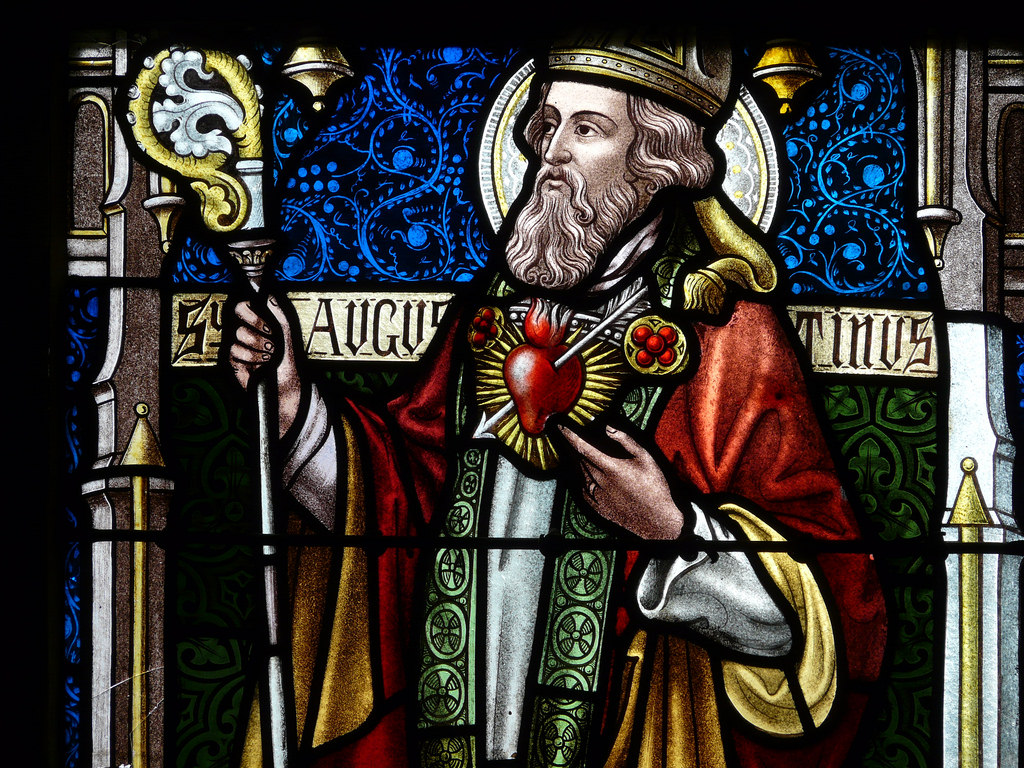
Augustine of Hippo articulated this well in his concept of concupiscence — the disordering of human desires due to sin. Similarly, Sigmund Freud’s model of the psyche reveals an internal struggle between the id (our primal instincts) and the superego (our moral conscience). Left unchecked, the id does not liberate; it consumes. The idea that people naturally make choices that lead to flourishing is a naïve optimism that ignores theological and psychological insights into human fallibility.
A society governed by unrestricted selfishness — this sense of presiding over human decisions regardless of if and especially when it does harm others — erodes the virtues necessary for communal life. True freedom is not the absence of constraint but the ability to choose the good.
As Aristotle noted in Nicomachean Ethics, virtuous living requires habituation; it is cultivated through discipline and moral formation. To be fully human is not to act on every whim but to develop the wisdom to distinguish between desires worth pursuing and those that lead to ruin.
Furthermore, this ideology fosters an evasion of responsibility. If personal desire is the highest authority, then there is little ground to hold people accountable for harmful actions. Whether it manifests in the deterioration of commitment in relationships, the abdication of parental responsibility, or the glorification of self-indulgence, this mindset breeds irresponsibility under the guise of autonomy. Freedom severed from responsibility is mere license — permissiveness that ultimately fractures families, institutions, and societies.
Defenders of this ideology often offer a caveat: “Let people do what they want — as long as it doesn’t harm anyone else.” At first glance, this seems reasonable.
But the definition of harm becomes increasingly nebulous in a culture that prioritizes subjective experience over objective moral truth. Harm is no longer understood in terms of virtue or long-term consequences but is reduced to immediate emotional discomfort. This is why moral relativism and cancel culture often walk hand in hand — people demand absolute freedom for their own desires but also absolute censorship for anything that challenges them.
Such is the plight of the modern man.
Moreover, many self-destructive behaviors have consequences that ripple outward. The individual who chooses a life of hedonism does not merely harm themselves but weakens the fabric of their community. When a culture celebrates unrestrained indulgence — whether in substance abuse, promiscuity, or consumerism — entire generations inherit the wreckage. The erosion of social trust, the decline of stable families, and the normalization of narcissistic self-expression all demonstrate that personal choices, far from existing in a vacuum, shape the moral ecology of a society.
Christianity offers a profound counterpoint to this illusion of absolute autonomy. Scripture does not present freedom as the ability to do whatever one desires but as the ability to live in alignment with truth.
“You shall know the truth, and the truth shall set you free” (John 8:32).
True liberty is found not in self-determination but in surrender to God’s design for human flourishing. This is the paradox of Christian freedom: It is found in obedience.
C.S. Lewis illustrates this in Mere Christianity with the analogy of a fleet of ships. For the fleet to function properly, three things must be in order: the ships must be internally sound (self-discipline), they must be correctly aligned with one another (social harmony), and they must be heading toward the right destination (a higher moral purpose). Pure self-want ignores the latter two and assumes that individuals can navigate life without concern for their neighbors or a higher telos.
If society is to recover from the excesses of this ideological trend, it must return to the wisdom of the past. Moral formation must once again become a central concern of education, parenting, and cultural institutions. This does not mean authoritarian control but the reintegration of objective moral values into public discourse.
Christianity, classical philosophy, and even secular virtue ethics provide rich resources for reorienting a culture that has lost its way. Instead of a simplistic creed of unrestricted autonomy, we must recover the language of virtue, duty, and the common good.
The call is not merely to reject allowing people to act as free moral agents but to replace it with something far better: a vision of freedom that is bound to truth, disciplined by virtue, and directed toward just love of the other.
The stakes are high. We are not merely debating personal preferences but the very foundations upon which Western civilization rests. A world that worships autonomy over wisdom is not a world of flourishing but of fragmentation.
If we are to build a future worth inhabiting, we must rediscover the hard-won truth that real freedom is found not in self-rule but in self-mastery. Only then can we chart a course away from the abyss of unrestrained desire and toward the light of true human flourishing.