At the tail end of 1942, amidst mounting threats from both the European and Pacific theaters of war and in the wake of a devastating economic depression, Irving Berlin’s enchanting new film, Holiday Inn, premiered. Its tone was overwhelmingly optimistic, true to the style of Depression-era movies who aimed to portray an idealistic, glamorous depiction of society. The women wore elegant ball gowns, manners were highly refined, and each night was spent rubbing elbows with world-class dancers at five-star clubs. These movies are poignantly unrelatable, offering an escape from the harsh realities of war and turmoil.
Holiday Inn, however, was created with a greater sense of urgency than most escapist films of the 1930s. It began production in 1941, and, midway through filming, America was devastated by the tragic attack on Pearl Harbor. The United States was rustled from the malaise of mere problems at home and thrust into the mounting dangers incurred by war on the global scale. In the coming years, Hollywood studios would create endless swaths of pro-American content; even Walt Disney would create short films in which Donald Duck fought off Nazis.
Yet, at that pertinent moment of uncertainty in 1941, Holiday Inn was positioned to be one of the first media responses to the new war. Mothers were sending their sons off to war, wives and girlfriends were kissing their beaus goodbye at the train stations, and calls for rationing and war bonds lay just around the bend.
When Holiday Inn released, it was expected to be a hit, as it featured a full soundtrack created by one of America’s most renowned composers. The song that was pegged to be a phenomenon was “Be Careful, It’s My Heart,” an affectionate love song crooned by the leading man, Bing Crosby. Hollywood executives were shocked, however, to find that a few weeks after the movie’s release, it was not this track that had skyrocketed to the top of the Billboard charts, but rather “White Christmas.”
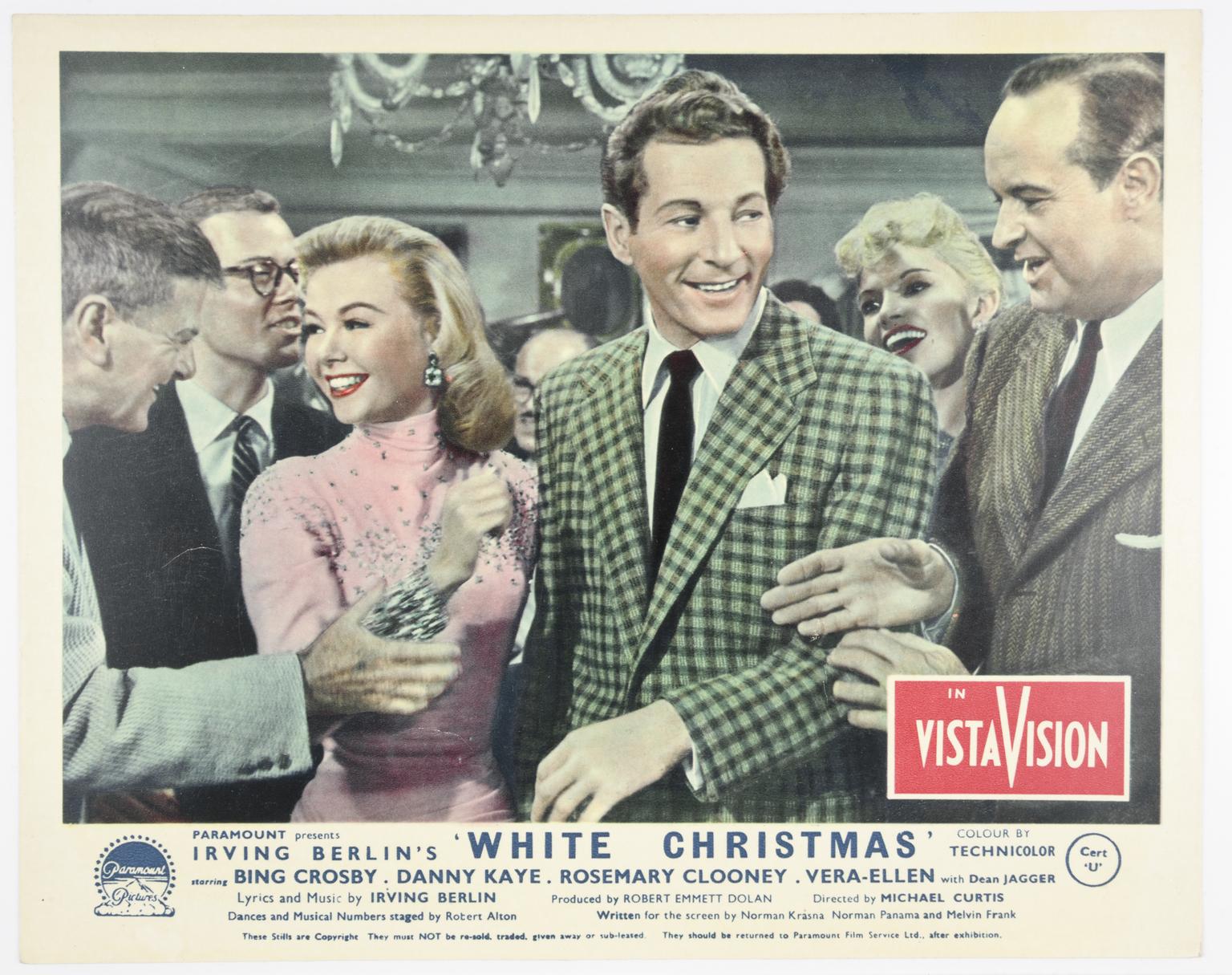
“White Christmas” was not merely the most popular song of 1942. The present era of Mariah Carey and Michael Buble still sees “White Christmas” dominate the Christmas ethos, bar-none. Even beyond the constraints of holiday music, “White Christmas” is the biggest selling single record of all time. As of 2024, it has sold 50 million copies, and that number grows each year. The song was so popular that it even spawned another film, the aptly titled White Christmas in 1954 which once again starred Crosby as its leading man.
Knowing that the song “White Christmas” didn’t premiere in the film White Christmas is more than just a fun bit of trivia to pull out at a Christmas party (Although, you will look like something of a film connoisseur for name-dropping Holiday Inn). Rather, it marks an important shift in America’s cultural identity. The song is blatantly and profoundly nostalgic, calling up treasured memories of time spent at home with loved ones. It’s evocative and sentimental. Its lyrics about sleigh-bells, glistening tree tops, and children playing in the snow conjure up distinct memories. Perhaps it’s overly-romantic and could be accused of wearing rose-colored glasses, but it’s done with unabashed sincerity.
In 1942, when people turned their radios from gruesome reports about the war and were met with Crosby’s melancholic yet syrupy song about treasuring Christmas memories, audiences couldn’t help but relate. They were tired, they were afraid, and they needed to hear Bing say that he felt the same way.
Up until this point, most Christmas songs had been based on religious themes or were church hymns sung at a certain liturgical season. Now, Christmas music was becoming secular; not as a way to distance itself from the church, but to introduce new themes of longing. People wanted to return to the reassurances of home cooked meals and evenings spent by the fireside with loved ones. The songs didn’t rely on the desires of romantic love, but on an unshakable desire for the comfortable joy of home. In the wake of Pearl Harbor, there was a marked change in the zeitgeist. The surety of a household residing together for Christmas was no longer reliable.
That same uncertainty seems to have followed us to the present day. After the Allied victory in 1945, America took on a new role as a global superpower. This has led to a global spread of democratic principles, but has also changed the nature of American identity. The United States has taken its place as the king of the hill, but it can no longer sit at home and rest without concern. Instead, it has become a main contributor to world consciousness. It feels compelled to stand outside and patrol the streets.This is a great honor and a great burden. Perhaps this is why “White Christmas” remains at the top of the charts year after year, decade after decade. It has marched on through moon landings, assassinations, hippies, tech booms, housing bubble bursts, and the rise and fall of the Berlin wall.
The America of 1942 was vastly different from the America we know today, but its longings remain the same. At our core, we’re seeking out the comforts of what we know and love, the movies we watch each year, our grandma’s best cookie recipes, and time spent with family. It is the perfect picture of simplicity.
In Holiday Inn, Bing Crosby asks the girl he loves if she grew up in a wealthy, successful family. She responds by saying that they always had plenty to eat, clothes to keep warm, and most importantly, they were happy. Crosby smiles at her, tells her “Your father was a very successful man,” then draws her over to the piano to sing “White Christmas.”
May America’s days be merry and bright.