In the 1990s, as subsets of alternative styles like goth and grunge became popular, so, too, did Tim Burton. Burton’s films were noticeably dark, playing on the eccentricities of a reliable cast of actors including Johnny Depp and Helena Bohman Carter. He adapted a variety of pre-existing intellectual properties, everything from the classic Washington Irving story “The Legend of Sleepy Hollow” to his notorious interpretation of Batman.
Even just the mention of the name Tim Burton conjures up mental images of swirly, dark sets with twisted characters. However, his films ultimately all ask the same question: How does an outsider fit in?
As alternative culture became normalized in the 1990s, many people were asking this question. Musicians like Nirvana and The Smashing Pumpkins made outsiders into rockstars. Television shows like Daria and Buffy the Vampire Slayer made outsiders into witty icons. Even the Harry Potter book series debuted at this time, showing that the outsider could actually be the hero. Tim Burton fits into this changing cultural scene perfectly. He was the filmographer of the outsider. His characters, including Edward Scissorhands and Beetlejuice, showed that the outsider was the great apex of any narrative.
Americans have always championed the underdogs. It’s a part of the country’s founding and new, creative thinkers have shaped everything from industrialism to art. The 1990s version of the underdog was very different, though. Instead of seeing a hero rise up, 90s culture encouraged people to linger in their victimhood status. The outsider was no longer meant to change the world for the better but was now tearing the world around him down so that he could be accepted.
The cultural mindset changed. Being the loser was now a righteous status in and of itself.
It should come as no surprise, then, that the search for perpetual victimization found a home in satanic imagery. Although the alternative style was still a subset of the culture in the 1990s, it was becoming increasingly popular. For the first time, malls began selling pentagrams on t-shirts and necklaces. Heavy metal bands like Slayer and Cannibal Corpse emerged, with songs that were horrifically morose and explicit. Rappers began using satanic imagery as a way to distinguish themselves. More books, movies, shows, and games came out that embraced the gothic aesthetic.
Satanic imagery became very quickly normalized. The “Satanic Panic” of the 1990s was portrayed as a geriatric attempt for out of touch parents to suppress their kids. In retrospect, their concerns about introducing satanism into the mainstream culture was entirely justified. In the past 30 years, Americans have embraced the things that were once labeled demonic.
Tolerating satanism has clearly eroded our culture. Its dark aesthetics and sorrowful undertones are demoralizing. It creates a society where the dreary and dreadful are celebrated. It has allowed a warped vision of this nation’s culture to replace classic Americana. Through it, other nefarious subcultures like transgenderism and furries were able to emerge.
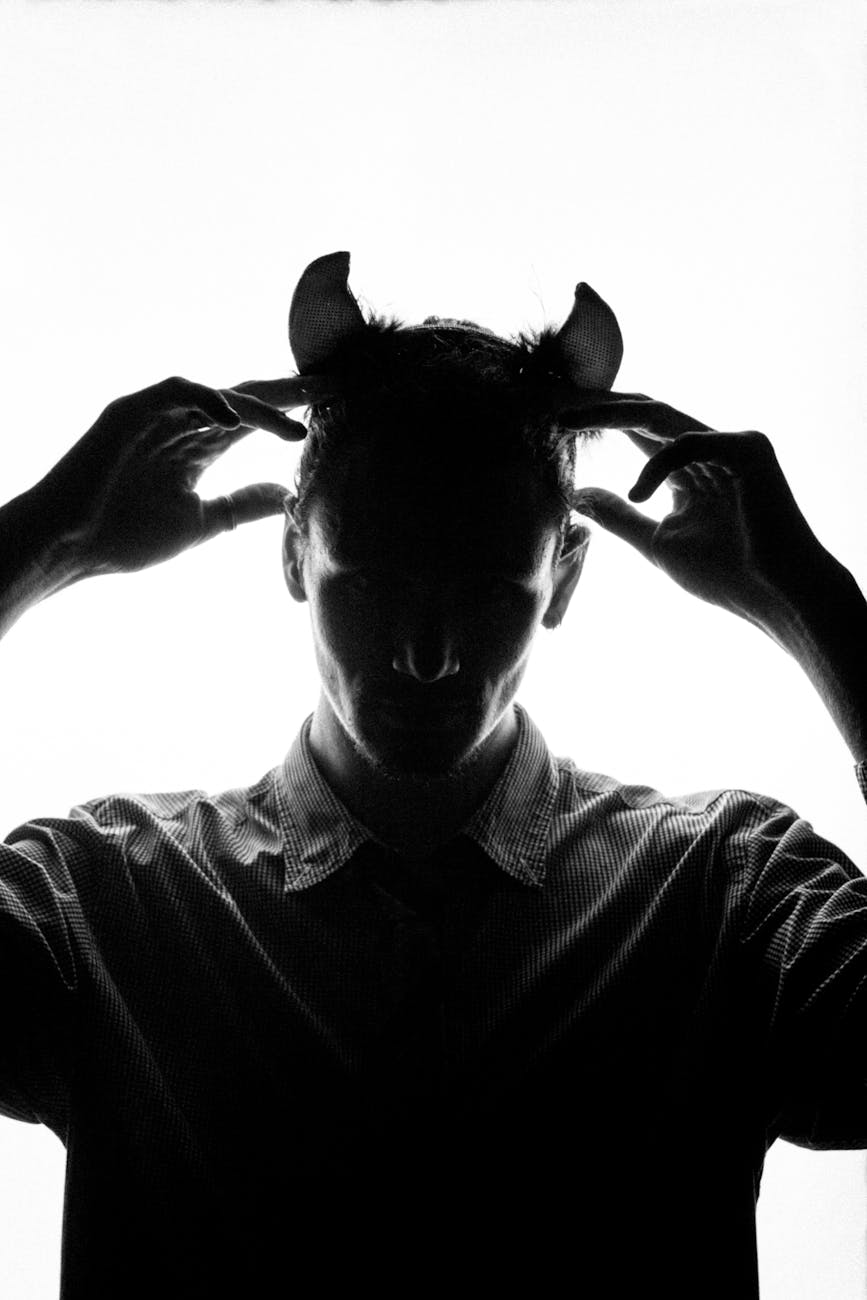
Most people who wear pentagrams or little, cartoonish devils don’t actually worship satan. At least, not in the candlelit ceremonies we have come to know through typical media portrayals where darkly veiled participants try to ‘summon Satan’. Most people claim their use of satanic imagery is ironic. It’s a countercultural form of expression. They have grafted demonic things into daily life. Especially around Halloween, it’s hard to escape from skulls, witches, and devil horns. These images portray serious, hellish things that need to be eradicated from daily life, not normalized.
The Bible answers the question How does an outsider fit in? with humility, self denial, and adherence to the teaching of the perfectly holy Jesus Christ. Modernity answers the question How does an outsider fit in? with tolerance, self reliance, and rejecting the good, true, and beautiful. It has made America selfish and strange.