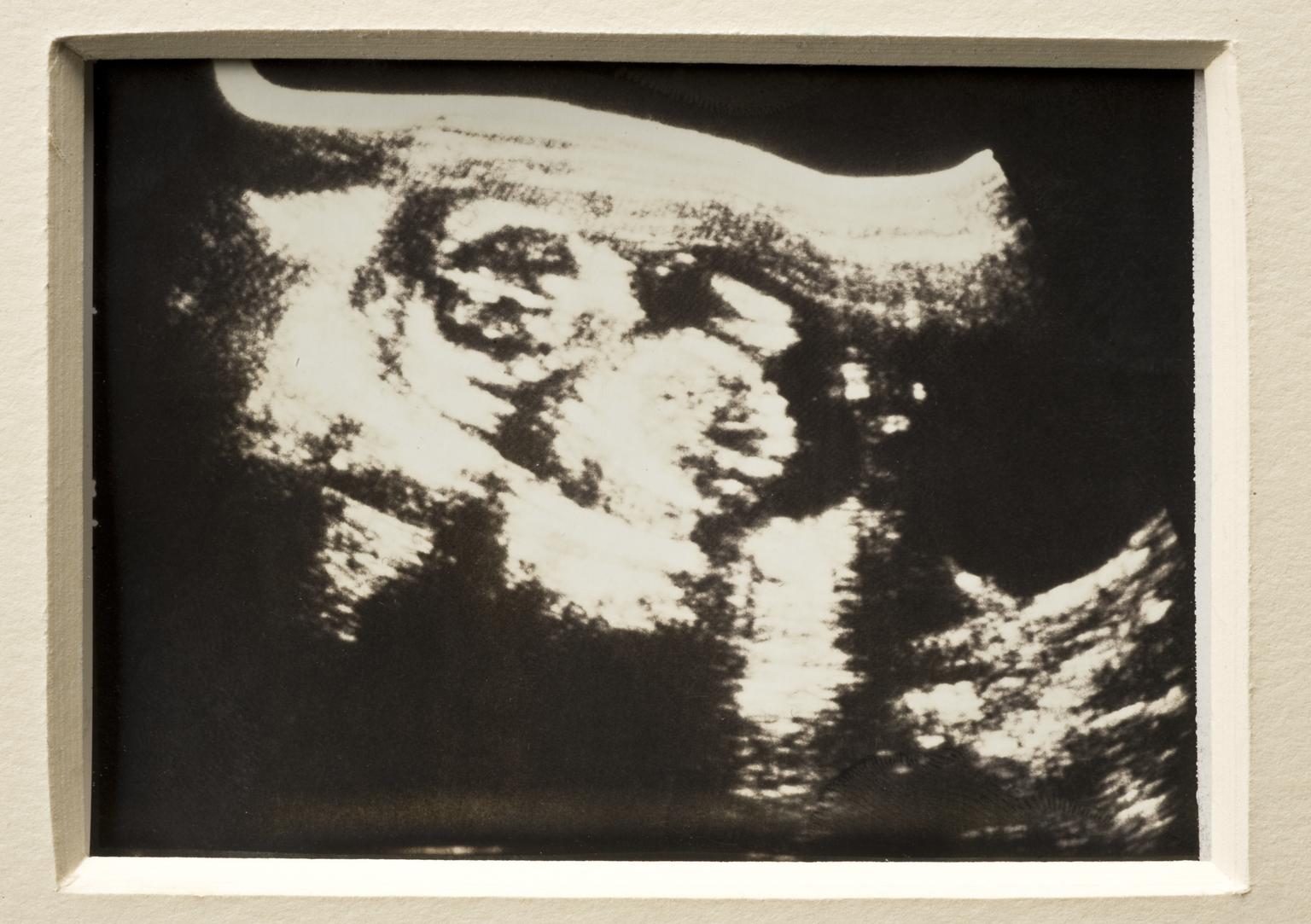
The first couple months of the second Trump administration were marked by a whirlwind of activity and swift policy implementation. Through a series of executive orders and actions, promises made have been promises kept. However, Trump’s executive order, Expanding Access to In-Vitro Fertilization, delivered on a promise that should never have been made.
For those who aren’t aware, IVF (in vitro fertilization) is a fertility treatment in which an egg and sperm are combined outside the body in a lab. Once fertilization occurs and an embryo forms, it is implanted into the woman’s uterus with the hope that it will implant successfully and develop into a healthy pregnancy.
During his 2024 campaign, President Trump endorsed in-vitro fertilization (IVF), pledging to secure government funding for the procedure. He recently honored that promise by signing an executive order directing policy recommendations to protect IVF access and reduce personal expenses. While driven by a sincere desire to promote family formation, President Trump’s executive order is misguided; IVF degrades human dignity — destroying more lives than it creates.
Doctors begin the IVF process by administering hormonal drugs such as Lupron, Gonal-F, and human chorionic gonadotropin to stimulate an increased production of eggs compared to what a woman naturally produces monthly. These drugs place women at an increased risk of ovarian hyperstimulation syndrome, cancer, and infertility. After harvesting the eggs, doctors fertilize them with collected sperm, creating embryos — each a unique and irreplaceable human life. But they aren’t recognized as such.
Doctors often use preimplantation genetic testing or select embryos based on sex, hair, eye, or skin color, choosing only the “best” embryos for uterine transfer. The remaining embryos are discarded, destroyed, or indefinitely frozen. Estimates suggest that fertility clinics have frozen between 600,000 and 1.5 million embryos in the United States alone. This blatant disregard for human life stands as the most cogent argument against IVF, but the ethical concerns extend much further.
Human beings are not commodities to be artificially designed, bought, or sold.
By placing the origin of human life under the domination of science and technology, IVF severs reproduction from the natural sexual act. This technological intervention has resulted in numerous errors and abuses, including a woman giving birth to the wrong baby, couples trading children due to embryo mix-ups, doctors secretly using their own sperm, and a single sperm donor unknowingly fathering an exorbitant number of children. These troubling consequences arise from reducing the origins of human life to a Petri dish.
Human reproduction differs from that of animals because it is not merely reproduction but procreation — a uniquely human experience rooted in conjugal union and the love for the child that results. The use of technology to bypass sex in procreation has fostered the misguided belief that individuals have the right to procure children. As a result, multiple states, such as California and Pennsylvania, have proposed legislation redefining infertility to include single persons and same-sex couples.
The only individual with inherent rights in procreation is the child, who has the right to be known and loved by both biological parents. Often, IVF intentionally deprives children of their biological mother and/or father, whether through single motherhood, same-sex parenting, or even heterosexual couples requiring sperm and/or egg donation. Furthermore, many children and young adults conceived through sperm or egg donation experience turmoil over their origins and identities. No child should endure such confusion, and no family should be subjected to the ethical compromises of IVF.
Although family formation is vital to the nation, IVF is not the answer. While children are always a blessing, good ends do not justify evil means. Not all methods of reproduction are ethically equal. Take rape or incest — both are inherently evil means of reproduction yet the child conceived still holds dignity and love. IVF is no different – the good it produces does not justify the ethical wrongs inherent in the process. Better, more ethical alternatives support both family formation and human dignity.
For instance, Restorative Reproductive Medicine (RRM) cooperates with the reproductive system to heal defects and promote the healthy functioning of the human body. Procedures include charting of cycles, nutrition, medications, and surgery. RRM effectively addresses infertility while being less expensive and invasive, with a comparable success rate to IVF. Most importantly, since RRM works with the reproductive system, it neither destroys embryos nor divorces sex from procreation.
Another viable option is Gamete Intrafallopian Transfer (GIFT), an assisted reproductive technology that introduces sperm and egg into the fallopian tubes to facilitate fertilization. Unlike IVF, GIFT does not create excess embryos and, when conducted ethically, preserves the bond between sex and procreation with little medical assistance. However, GIFT must be approached prudentially, as it can be misused in the same unethical ways as IVF, such as intentionally depriving a child of his biological parents.
Instead of expanding IVF access, the Trump Administration should champion legislative initiatives like the Reproductive Empowerment and Support through Optimal Restoration (RESTORE) Act. This bill promotes research and data collection on reproductive health, equipping medical professionals with the tools to treat infertility in ethical and effective ways. Couples struggling with infertility bear a heavy burden, and bills like RESTORE offer a pro-life, pro-family response to addressing their needs.
America needs more families and babies, but IVF is not the solution. For what does it profit a nation to grow families while ignoring the cost in discarded lives?