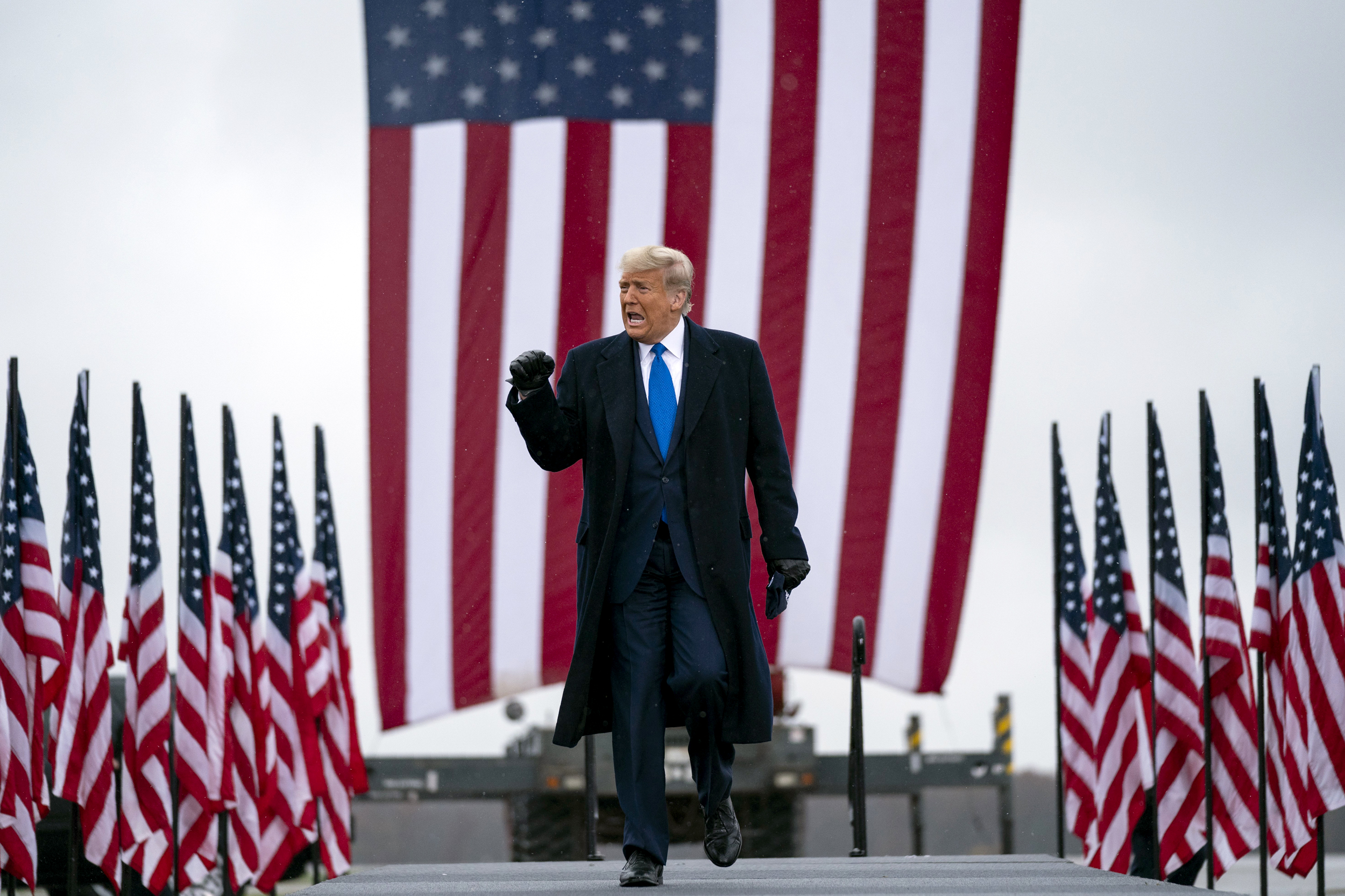
Current polling indicates that former President Donald Trump is well on his way to becoming the Republican Party’s 2024 nominee for his old office. According to FiveThirtyEight, he’s garnered margins of over 50% primary voter support since the beginning of April, and that portion has now nearly surpassed 60%. Barring any extraordinary circumstances, such as the array of legal challenges that might complicate his nomination, Trump is set to be our nominee for the third time in a row.
On paper, Trump isn’t without resistance in this primary. He initially faced nearly a dozen high-profile contenders, but those opponents’ poor performance is glaring. Many have already begun dropping out of the race, including Senator Tim Scott (R-South Carolina), and Mike Pence, Trump’s own former vice president. Without any changes in the trajectory of recent polling, one could assume that the other candidates will also drop out soon after the first states’ primary elections. Though none of their bids will change the outcome, their candidacies have not been totally inconsequential.
More than anything else, this primary has demonstrated that the Republican party has yet to mend its Trump-era ideological divides. In this respect, its field of candidates is representative of the GOP’s divided state. The views of someone like Chris Christie or Nikki Haley, both staunch Trump critics and neoconservatives, now more than ever stand trial against those of populists and Trump acolytes like Vivek Ramaswamy.
The most important fight that lies ahead for the Republican party is not one against Democrats’ progressive agenda, but the battle within itself over how it will present its alternative vision. Until this battle comes to a resolution, the GOP will produce nothing but discord within conservative circles.
Trump’s storming of the party in 2016 brought many once-neglected policy concerns to the forefront of the conservative movement. Since then, the party base has come to expect strong stances from candidates on issues such as illegal and mass-migration, domestic manufacturing, and Big Tech policy. Foreign policy—especially pertinent now given the conflicts in Israel and Ukraine—is still hotly contested by the neoconservative Old Guard, as is demonstrated by most candidates’ strongly pro-Israel stances in the recent debates.
The top three Trump opponents—DeSantis, Ramaswamy and Haley—represent the current spectrum of conservative political thought quite well. Haley and Ramaswamy most distinctly contrast each other, with Haley representing the interests of the old establishment and Ramaswamy clearly aligning with the modern Trump base. DeSantis falls somewhere in between, having earned some degree of support from both the base itself and the donor class. Many speculated that his popularity with both these groups would lead him to pose a serious challenge to Trump earlier on in the primary, but his polling margins now only rival those of the lesser contenders.
DeSantis’ collapse in the polls indicates that the support of a party base united in its vision, not just that of a coalition made of disparate factions and party elites, is no less necessary for dominance in Republican primaries than it was during Trump’s original rise. The appeals of candidates like Haley to return to an earlier form of Republican politics, or even those from DeSantis for a solution of compromise, will only weaken with time. There will be no reverse in our movement’s course.
Even so, the question remains: has their futile effort to topple the new Right in any way benefited the conservative movement as a whole? On the one hand, it has affirmed the importance of the base many of them had discounted as reactionary in nature. This primary has shown that candidates who appeal to Trump’s base of support and the broader America First agenda, like Vivek Ramaswamy, might always benefit from the tailwinds of the former president’s successes. Antipathy toward middle America and the working class will no longer fly.
Additionally, conservative political figures backed by the establishment can no longer pursue their policy aims without also answering to the demands of the base. In the case of this primary, candidates’ foreign policy goals regarding the conflicts in Israel and Ukraine were often discussed alongside their stances on the border crisis and domestic security. Although the legacy components of American conservatism are not dead, Republican voters now weigh their merits and drawbacks with a much stronger paleoconservative context.
The America First movement has lost plenty of battles, and it has in no way achieved total dominance over conservative political thought. Even so, it’s clear that the Old Guard’s efforts to prevent that are without a source from which it could draw any more strength. This divide cannot simply be mended; instead, members of the party’s former elite must find ways to submit themselves to the new party agenda, lest they risk losing their influence for good.