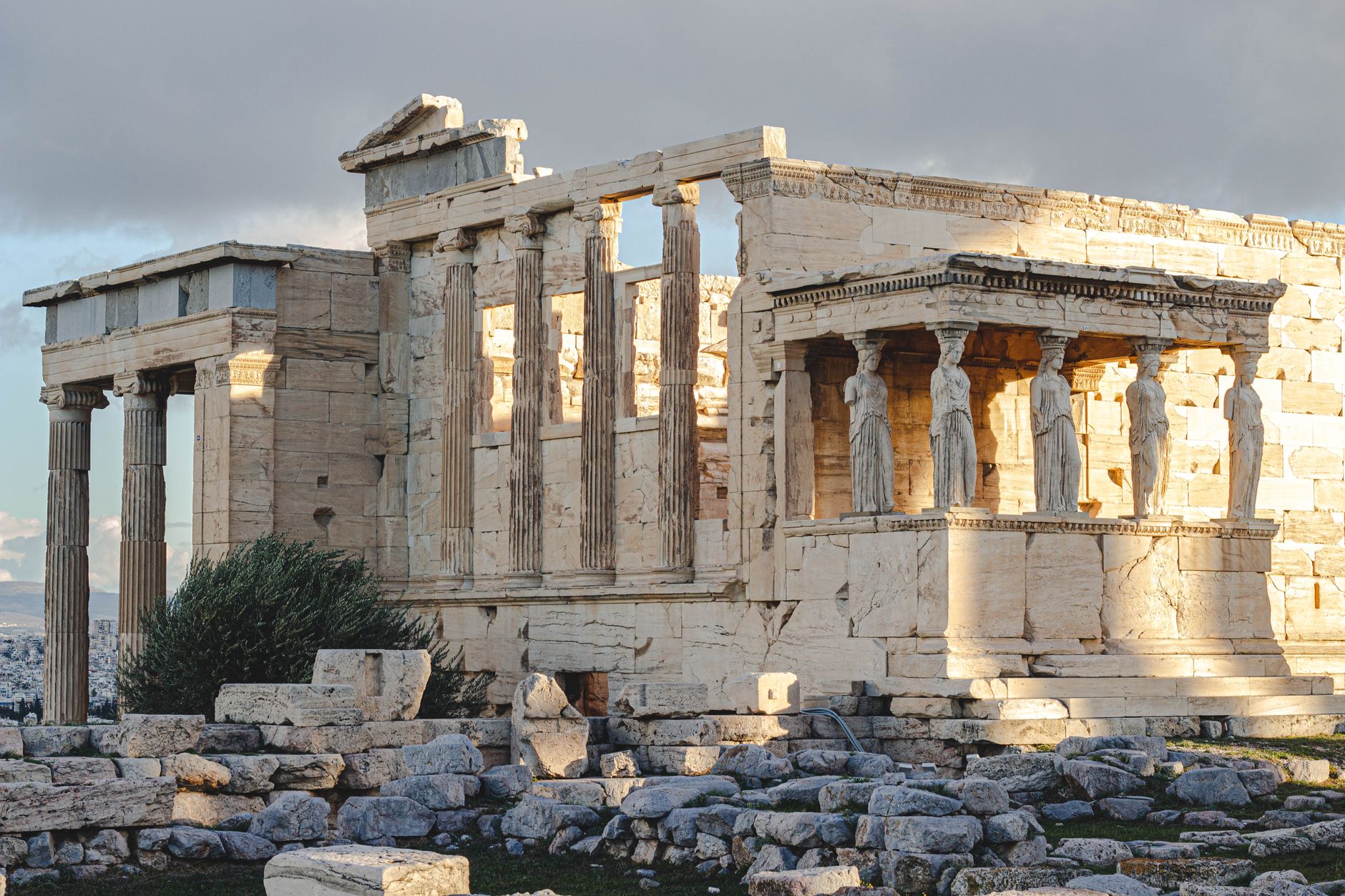
“The world offers comfort, but you were not made for comfort. You were made for Greatness.”~Pope Benedict XVI.
This is my favorite quote of all time. It’s my Roman Empire. I think about it almost every day. It’s in my Instagram bio, and I wear it on a T-shirt. It inspires me every day to push through mediocrity and strive to be who I was created to be.
However, as I reflect on the words, it occurs to me that some may find this quote untrue. The world sucks. Life is difficult. It seems that the world provides anything but comfort. But even when the world beats us down, it offers the easy way out. We seek the quick fix to escape suffering. It’s ingrained in our broken nature to settle for lesser goods, but we are called to strive for the highest good. We are called to greatness.
From the beginning, man was made for God. Man was made for perfect love, truth, and beauty. But pride and temptation overtook him and drove him to seek his own good outside of God.
Man always seeks the good, but as a consequence of the wound of original sin, he seeks lesser goods rather than the ultimate good in God, and his willpower is weakened. As St. Paul says in his letter the Roman’s, “For I do not do the good I want, but I do the evil I do not want. Now if [I] do what I do not want, it is no longer I who do it, but sin that dwells in me” (Romans 7:19-20).
The Greek term that Paul uses for sin is hamartia, which means ”to miss the mark.” In archery, the term sin is used when the arrow misses the target. Sin is to miss the mark. Our target is God. He is who we are made for. There are an infinite number of ways to miss the mark, but only one target. When we feel buffeted by the storms of life or we grow weary, it becomes even easier to miss the mark. We must constantly strive to orient ourselves to our ultimate end, where we will find true joy and satisfaction.
However, this analogy falls short because it is impossible for us to fully comprehend the magnificence of God. In “The Weight of Glory,” C.S. Lewis compares our journey to heaven to a young school boy learning Greek. The schoolboy is incapable of knowing that he will one day have immense joy and satisfaction in reading Greek poetry while he struggles through learning the language. We have only had glimpses and tastes of love and joy we are made for, so it’s extremely difficult not to treat the lesser goods of this world as the ultimate.
We live in a society where every pleasure and comfort imaginable is at our fingertips. Culture tells us to maximize pleasure and minimize pain. When life is good, we chase highs. When it’s hard, we look for escape. The temptations are familiar and easy to access.
Because it’s impossible to grasp the greatness for which we are made, it’s easy to indulge in the comforts and pleasures the world offers to give us temporary satisfaction. It’s comfortable to masturbate, fornicate, drink in excess, take drugs, gossip, and distract ourselves from responsibility. These patterns take root, forming habits that masquerade as relief but end up enslaving us. What starts as a craving becomes a cycle.
I once heard a priest say that we give in to sin because we are unwilling to suffer. We only act on things because we are unwilling to endure that feeling. We give in to lust because we refuse to feel lustful. We lash out in anger because we’re unwilling to sit with our rage. We run from fear because we refuse to feel afraid. Yet if we can learn to sit with these cravings—not to indulge them, but to endure them, we will find they lose their power. The next time, the pull will be weaker. With grace, perseverance, and prayer, what once felt unbearable can become a passing shadow.
Life is difficult. There will be plenty of highs and lows, and all along the way, the world will offer the promise of happiness, pleasure, and satisfaction.
It’s all dust. It’s fleeting. You are made for perfect love and lasting joy.
You will suffer, and the promise of escape by the mirage of worldly comfort will constantly be appealing.
When the target seems distant, the temptation is strong, and the suffering feels unbearable, remember the words of Pope Benedict: “You are not made for comfort. You are made for Greatness!”