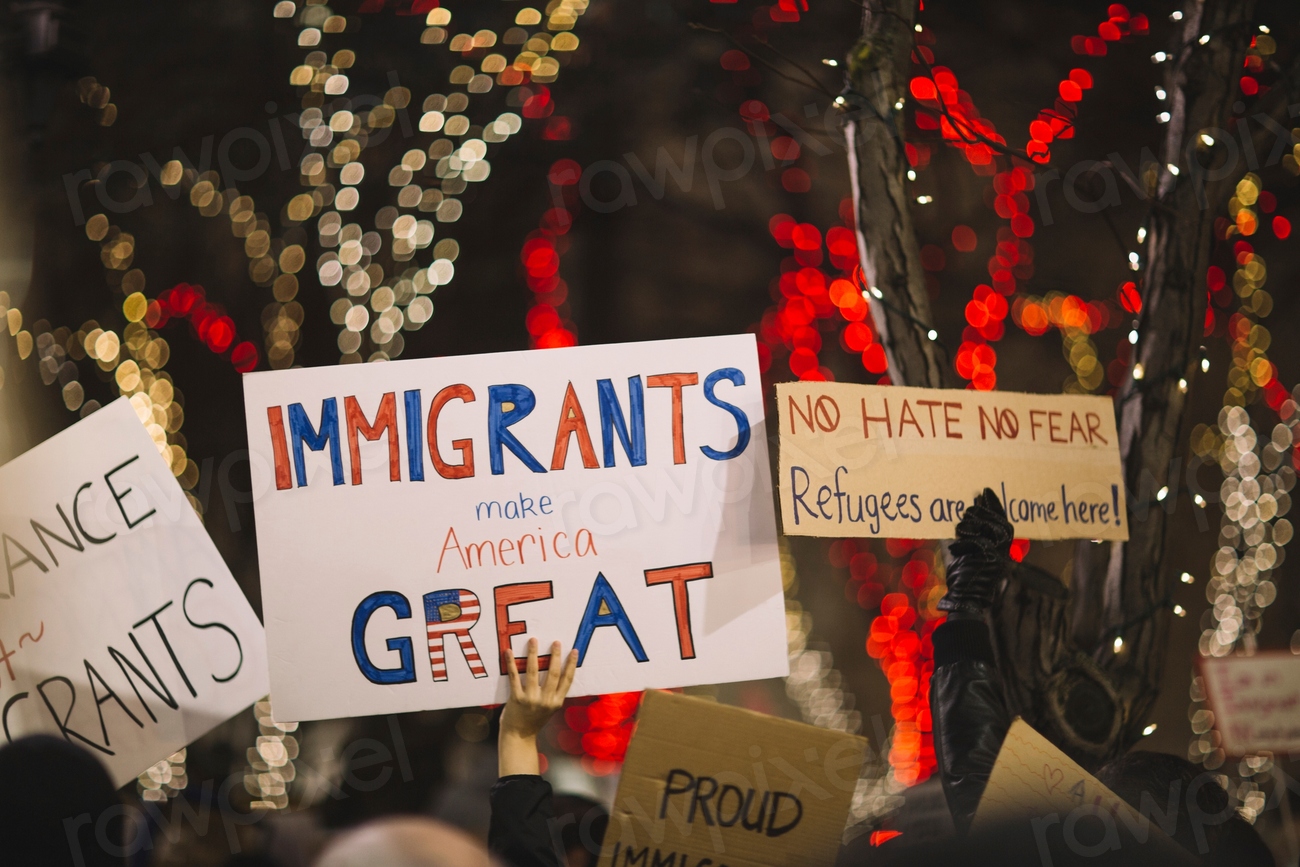
Replacement immigration is a phenomenon that is routinely downplayed by the media, but it is a real and destructive threat to the integrity of nations. This concept, frequently wrapped in controversy, deserves a thorough and objective examination, especially from a pro-American and pro-European perspective. Notably, this trend is most prevalent in these regions, with some arguing it’s by design. Unlike in Asia or other parts of the globe, the West faces a unique push to accept vast numbers of immigrants. This raises questions about the origins of this idea and its ultimate goal, which are challenging to address without entering the territory of conspiracy theories. However, time will reveal the truth unless the people of the West take action before it’s too late.
The fundamental question to address this concern is: What constitutes a nation? A nation is more than just a geographical entity; it is a fusion of shared history, culture, values, and aspirations. This collective identity, shaped by the memories, traditions, and shared goals of its people, relies on well-defined borders and a cohesive national identity for its preservation. Borders are not just geographical demarcations but markers of sovereignty and distinct identity. They act as the guardians of a people’s heritage and the custodians of their shared future.
In 2023, the influx of immigration at the southern border nearly surpassed the number of babies born in the USA in the same year. The Center for Immigration Studies reported that “the total foreign-born or immigrant population (legal and illegal) was 49.5 million in October 2023 — a 4.5 million increase since President Biden took office and a new record high. At 15 percent, the foreign-born share of the US population is also the highest ever recorded in American history.” Advocates of open borders on the Left will become like boiling frogs, not realizing what is happening until it’s too late. Eventually, they may feel like foreigners in their own country. This underlines the importance for all citizens and legal residents to recognize the issue that surpasses political affiliation and directly impacts the country’s sovereignty.
Replacement immigration occurs when the demographic structure of a nation undergoes significant alteration due to the influx of foreign populations, often outpacing the nation’s capacity for effective integration. This trend can erode the national character, creating a disjointed society with a weakened sense of shared identity and common purpose. This phenomenon presents a unique challenge in the context of North American and European nations, which have long cherished their cultural and historical legacies.
The response to immigration in America has highlighted significant political differences. Sanctuary cities, predominantly governed by Democrats, initially opened their arms to immigrants, verbally, that is. However, the situation changed when Republican senators from border states began sending buses full of immigrants to these cities. Now, these mayors, once welcoming, are overwhelmed and are playing hot potatoes by shuttling immigrants elsewhere at the expense of taxpayer dollars. The gap in the approaches of Democrats and Republicans to solve this problem is vast and growing. For example, Texas recently blocked US Border Patrol agents from a 2.5-mile stretch of the Rio Grande in Eagle Pass, hindering federal agents from patrolling that part of the border. Despite the lack of extensive coverage by mainstream media, local residents and conservative politicians are using social media to highlight these events. Prominent figures like Elon Musk have also drawn attention to the burgeoning problem at the southern border.
Nations facing the challenge of replacement immigration must navigate this complex terrain with prudence and foresight. The objective should not be to close doors to the outside world but to manage immigration to respect the existing cultural and societal framework. This involves striking a balance between openness and preservation, ensuring that the influx of new populations complements rather than compromises the national character. The biggest problem lies with immigrants from non-compatible cultures and religions. When substantial demographic shifts are driven by the overflow of foreign populations, it surpasses a nation’s ability to integrate these new members effectively, risking dilution of the nation’s unique cultural and historical identity and undermining the solidarity and unity of its people, which are essential for a thriving country.
Europe’s experience in the last decade serves as a warning to America. Beheadings, stabbings, and a rampant rise in sexual assaults have occurred across Europe following the surge of immigration from Muslim nations. Locals no longer feel safe in their own neighborhoods, towns, and countries. The once open and welcoming mindset is changing, as more countries across the EU are electing right-wing politicians in the hope of reversing these detrimental trends that are ruining their homelands. Protests and clashes between local nationals and immigrants, as seen recently in Ireland, are becoming more prevalent. People are asking why Muslim countries don’t accept as many Muslim immigrants as the West does and why these immigrants choose countries that are culturally and religiously different from their native lands, only then to reject the traditions and culture of their new homes. Instead of assimilating and adapting to local cultures, they often try to enforce their own. In many places across America, Canada, and Europe, no-go zones exist not only for regular citizens who don’t “belong” to those communities but often for police as well. These areas resemble the immigrants’ native lands more than their adoptive ones. Particularly, radical Muslim immigrants have been vocal about their desire to convert everyone to Islam, even by force. Ironically, Western freedom of speech allows them to express these desires publicly.
Unchecked replacement immigration undermines the principle of national self-determination. It is detrimental to any country and can subvert the democratic process, leading to political and social outcomes that do not reflect the original populace’s aspirations. Moreover, it places undue strain on economic resources and infrastructure, potentially leading to heightened competition for jobs, housing, and public services. In conclusion, the discourse on replacement immigration is not a matter of xenophobia or isolationism. Though often tangled in controversy, it requires a sensitive and well-considered approach. The vision for nations grappling with this challenge is clear — manage immigration towards enhancing, not eroding, national identity and unity. And if necessary — close the gate for the time being. Adopting this perspective is essential for nations as they tackle the complex dynamics of replacement immigration that isn’t a potential threat but is already in the making.