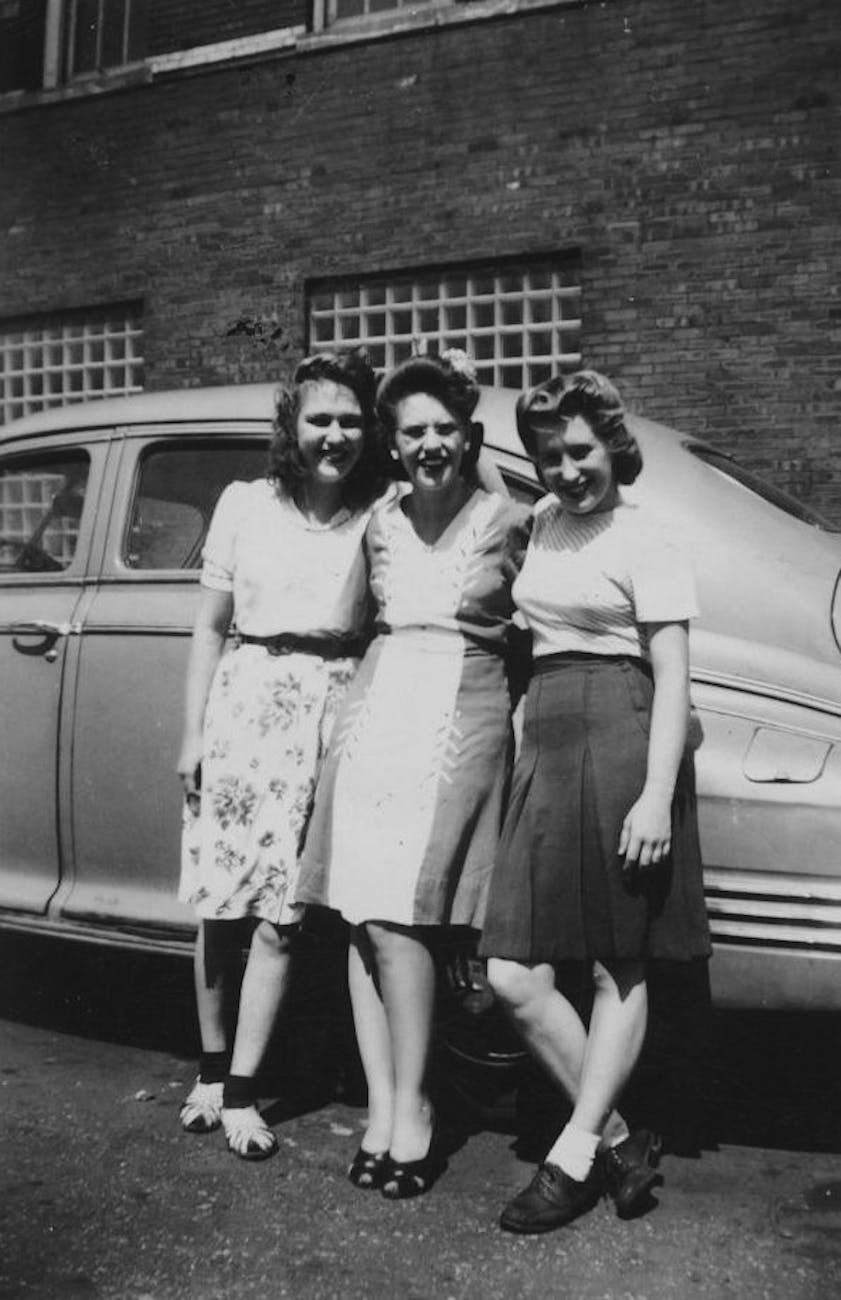
Women’s clubs were ubiquitous in 20th-century America. These local, community-focused organizations built civic engagement, administered charity to their neighbors, advocated for legal reform, and championed education and the arts.
Women’s clubs were a major force behind many reforms of the Progressive Era. Their efforts in great part contributed to the end of child labor, the passage of women’s suffrage, the establishment of hospitals, the protection and beautification of America’s open spaces, and the mass proliferation of libraries. Members hailed from all social classes and provided bridges between groups. Participants in women’s clubs gained community organizing skills, political franchisement, and social connections. The largest federation of women’s clubs had over 1.5 million members at its height in the early 20th century.
If these organizations were so effective in the past, why aren’t they more prevalent today?
In the second half of the 20th century, club membership declined dramatically. In the 21st century, these clubs have all but disappeared from many communities. Though the downward trend can be attributed to multiple factors, the decline in women’s civic organization participation correlates with the uptick in women’s workforce participation. When women shouldered careers on top of family and household responsibilities, their time for anything else diminished.
An article from as early as 1973 stated, “The younger women would rather take a paying job [than participate in women’s clubs].” Without new blood to replenish membership, older members dominated the clubs. This created a vicious cycle: When older members dominated, clubs failed to modernize and thus failed to attract sufficient cohorts of younger members. Simply put, the demands on women’s time have intensified, and voluntary activities such as club participation are low on the priority list when financial and family obligations dominate.
In general, Americans have less leisure time than they did in the past. Even if women desire another path rather than a full-time career, economic conditions mean that many middle-class families need two incomes to keep their heads above water.
The equality movements that swept the country in the 20th century constituted another blow to the women’s club movement. In this period, women and ethnic minorities gained legal rights and broader social support to participate in the workforce, in government, and in other leadership capacities.
Adjusting to this new reality, many universities, professional organizations, and community institutions (such as the Rotary, Lions, and Kiwanis clubs) integrated women into their membership, though women were not often appointed to leadership roles. Women’s unique position in the family and the community means that they are effective civic leaders. Arguably, this is why female legislators are more effective domestic policy makers than their male counterparts, and why women perform above men in some other leadership positions.
However, it’s a double edged sword.
Women’s varying perspectives mean their approaches differ from men’s. It’s undeniable that women have benefited from some of these reforms, and their participation in the workforce has led to advancements in the public and private sectors.
But there is a flip side to “progress.”
When we strive for gender parity in all things, we undermine the unique contributions of single-sex groups. When women compete 1-to-1 with men in the professional world, they can lose the advantage they held by existing outside of that sphere. The feminist movement purported to create a world and workplaces that were better suited to women. But much of the “progress” made has constituted changing women’s behavior to better suit the existing workplace, requiring women to act more like men.
Participation in women’s organizations instills in women an essential truth: Women don’t have to act like or compete with men to be serious, effective leaders. Far from being obsolete, the women’s club is needed now more than ever as women navigate a complex social, professional, and personal landscape.
Arguably, women are in a better position now to form and run such organizations. With insights now coming from both the personal and professional worlds, women can become even more effective advocates for their communities. Women should reimagine and restart women’s clubs that fit within modern lives and communities. Whether it’s a small or large group, these contributions matter. Participation in women’s groups doesn’t mean women should stop participating in co-ed organizations, but women’s clubs have certain advantages. Importantly, they create spaces where the needs of women and families are seriously considered and where women can feel connected to a network of other women working toward the same goals. For that matter, men’s-only clubs are valuable, too.
Much of contemporary “community building” has shifted online with the advent of the digital age. This overreliance on digital connections has resulted in a loneliness epidemic. Bringing back women’s clubs means that women will form more genuine social connections, feel more grounded to the neighborhood or city they live in, and feel empowered to make reforms in their communities. These groups make communities places worth living for everyone.
The modern era and all of its pressures mean it’s essential to carve out intentional time to connect with others, to strive for what is good and beautiful, and to live a life guided by an unfaltering moral code. It is much harder to walk this path alone, but women can play a key role in rebuilding this lost social contract by banding together.