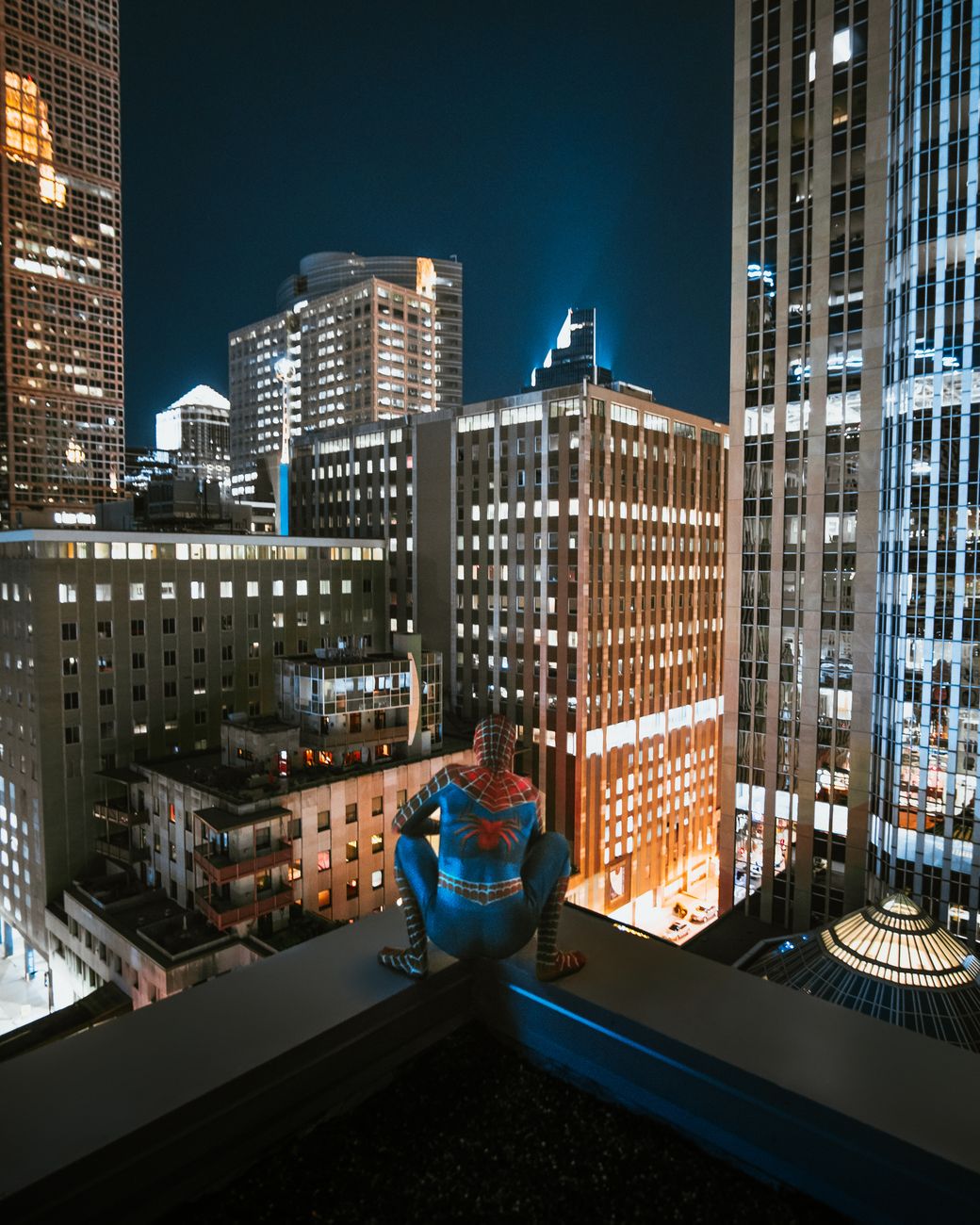
Growing up my family would walk the streets of the Twin Cities without ever looking over our shoulder. Now downtown locals encourage my friends to run red lights at night to avoid getting carjacked.
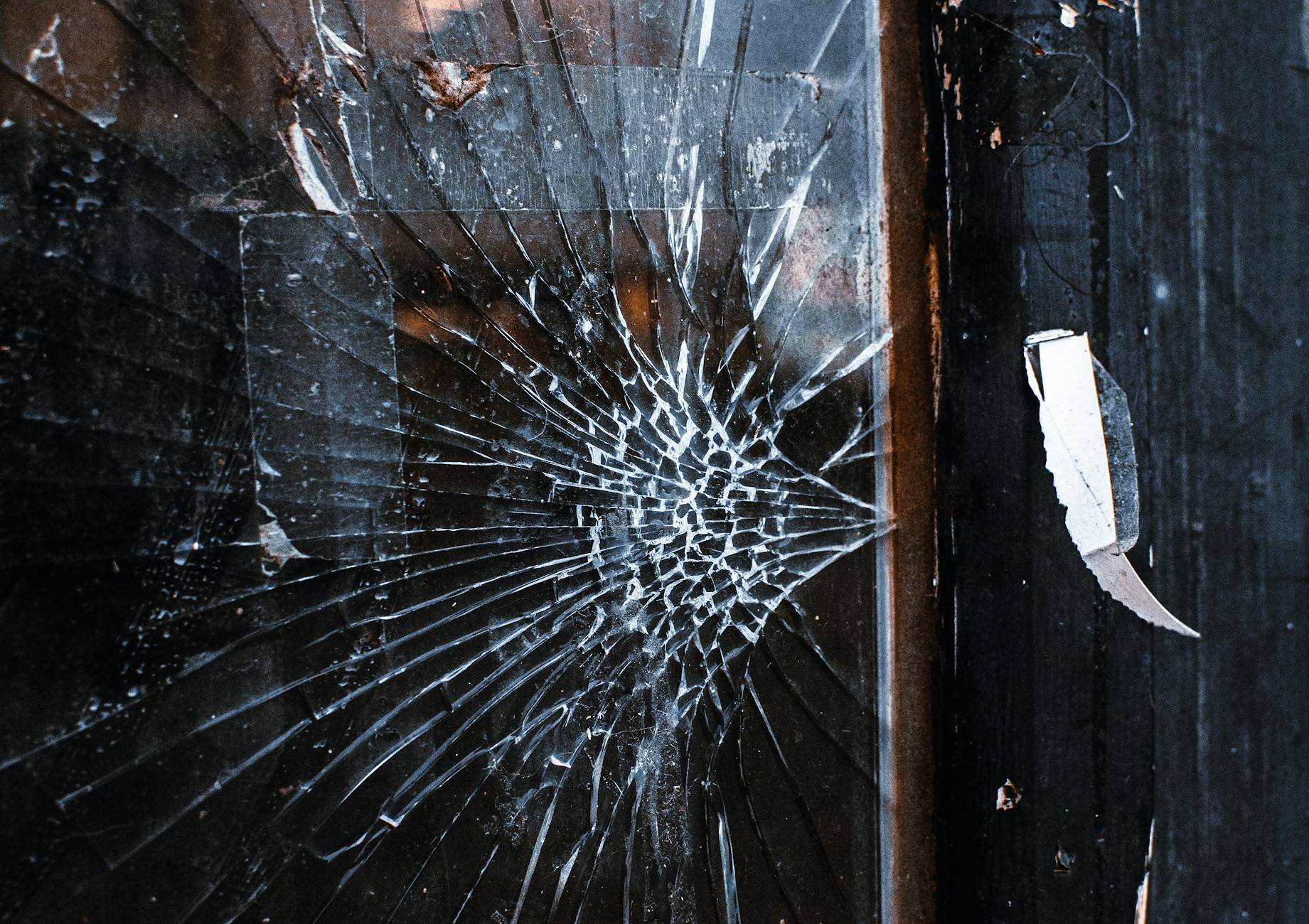
Crime in the United States has gone rampant over the last several years especially following the George Floyd riots, which began 21 miles from my hometown in Minnesota. This has not been an issue for the last few years but has been a progressing problem for most major cities across America. It goes without saying that criminal activity that goes unchecked and unchallenged festers and spreads. Less obviously, however, rampant crime begins with our broken windows.
For most of my life, I have grown up and lived in Minnesota just north of the Twin Cities. We had gangs, shootings, drugs, assaults, and carjackings, but they were isolated to a few bad neighborhoods. On top of this, our cities are increasingly looking worse and run down over time due to neglect. With our several tent cities, the Twin Cities increasingly bear the image of Los Angeles or Chicago. How can we reverse this all too common dilapidation?
The first step begins with proper investment in our police force. After the death of George Floyd and the subsequent rioting and looting, it became politically and socially correct for the city council to pledge to defund the police. In Minneapolis, for example, crime got so bad the city council increased the police budget to its record in 2022 to over $210 million.
Maintaining a police force is neither cheap nor easy; however, with the trends and conditions our nation faces today, a well-trained, well-equipped, well-paid, and vigilant police is necessary for a secure and well-mannered city. I wish it were not necessary to make our local police into local militarized forces, but this is the condition in which we find ourselves. In a decaying society like ours, if police are left unprepared, the streets become unruly and crime ridden. Keeping officers in the police force is another task because so many have left the Minneapolis police force the department has been understaffed by 200 officers and has lost up to 40% of officers for the last few years.
The second side to the same coin of properly investing in police is electing law and order leaders who are tough on crime. Our police departments get funding, codes of conduct, and orders from the local government such as city councils, mayors, district attorneys, and state government. Living in a country where the people are sovereign gives the people great responsibility for the general welfare of the community. It is necessary to elect strong and dedicated leaders who will do the right thing or make it politically profitable for leaders to do the right thing. As mayor of New York City, Rudy Guiliani was tough on crime and maintained a vigilant police department and crime sharply decreased during his tenure in office.
As an antithesis, New York City has once again deteriorated under District Attorney Alvin Bragg, who employs valuable time and resources to prosecute former president Trump instead of keeping repeat offenders in prison and prosecuting criminals who attack police officers. New York City is in such poor condition that the National Guard had to be deployed on the streets and subway system.
There are two competing theories for police conduct: community policing and broken windows policing. Community policing is a partnership between the police and community to find issues and address them ensuring community safety without the direct presence of police officers. This is a theory of directly strategizing and addressing community issues through community involvement. The broken windows theory is a strategy of zero-tolerance for crime and removal of any visible signs of vandalism or crime such as graffiti or broken windows. Visible signs of tolerance of vandalism or crime show the community does not care and encourages further criminal activity. Must we have one or the other? I propose a hybrid, a combination of these two theories. Having more police does not solve all social issues and neither does community involvement. We should continue police and community partnerships; however, we should have a zero-tolerance policy for minor offenses and enable our police officers to have a more significant presence to deter crime.
When a community tolerates homelessness, the homeless find a way to live without working or contributing to society. The majority will loiter, beg, scavenge, do drugs, set up permanent tent cities, and, in worst-case scenarios, commit assaults and theft. By solving the homelessness crisis, we deter the deterioration of the community before deterioration sets in. Cleaning up the streets will push the homeless to find accommodations and programs to help get them back on their feet and living a stable life.
Keeping our infrastructure clean of graffiti, fixing our windows right away, and increasing our police presence in the community will incentivize good behavior and keep our communities looking beautiful. Our tolerance has been extended far enough that our cities look like war zones with broken windows, graffiti, rundown or abandoned buildings, trash lying on streets and sidewalks, homeless encampments, and high levels of crime. We should hold ourselves and our leaders to higher standards and enable our police officers to hold lawbreakers accountable.
It is my dream to walk and live in an American city without seeing graffiti, damaged infrastructure, trash, tent cities, and feeling unsafe on the sidewalk. The time for tolerance is over. It is time to fix our windows and stand against the reckless stewardship of our cities.